
3PL Warehousing in the Midwest: How Shippers in St. Louis, Kansas City, and Chicago Cut Costs with Strategic Storage
A lot of companies warehouse where their founders happened to be — on the coasts, near their original customers, close to a port they used a decade ago. It made sense then. But if you're shipping to customers across the country now, and your warehouse sits in Los Angeles or northern New Jersey, you're paying to move freight the long way for every order that heads to the interior of the country.
The Midwest is the geographic center of U.S. freight. A warehouse in St. Louis, Kansas City, Indianapolis, or Columbus can reach roughly 65 to 70 percent of the U.S. population within two days by ground. For companies still running distribution from the coasts, that number should start a conversation with your CFO.
The Real Math on Midwest Distribution
The case for Midwest warehousing isn't just about geography — it's about outbound freight cost on every single order. When your distribution center is in Los Angeles and a customer orders from Chicago, you're paying for a 2,000-mile haul. When your DC is in St. Louis, that same order is a 300-mile haul. Multiply that differential across your order volume and the savings are significant.
For e-commerce brands shipping direct-to-consumer, the math is especially compelling. Two-day ground delivery to the majority of the U.S. population from a Midwest distribution point means you can offer competitive delivery promises without paying air freight premiums or running multiple coastal DCs. One centrally-located 3PL warehouse in the Midwest can consolidate what two or three coastal facilities were doing — at lower per-unit cost.
For manufacturers shipping B2B freight, Midwest positioning shortens lead times to Midwest customers and reduces transit time variability on national accounts. A plant in Memphis or a distribution center in Columbus doesn't have to wait five days for replenishment stock that's sitting in a New Jersey warehouse.
Cross-Docking and Just-in-Time Replenishment
Not every warehousing need requires long-term storage. For high-velocity products — fast-moving retail goods, components supporting continuous manufacturing, seasonal inventory hitting distribution centers ahead of demand — cross-docking can be more efficient than traditional warehousing.
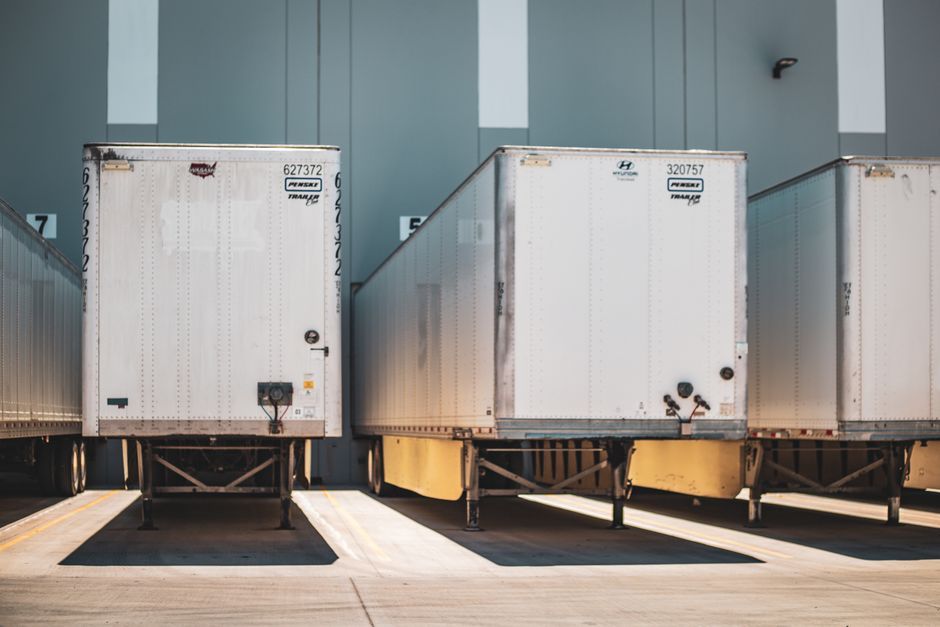
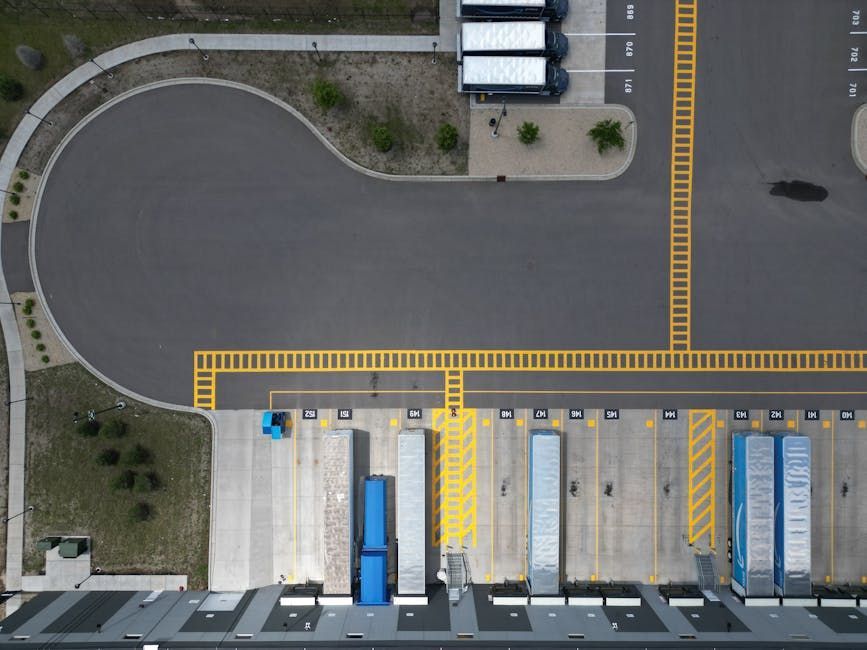
Cross-docking moves freight from inbound trailers directly to outbound trailers with minimal or no storage time in between. A shipment arriving at a St. Louis cross-dock facility from a Kansas City manufacturer can be sorted, consolidated with other freight, and moving toward its final destination within hours. For shippers managing tight retail replenishment windows or just-in-time manufacturing supply, that speed is the entire point.
The Midwest's central position in the U.S. freight network makes it an ideal cross-dock location. Inbound freight from the West, Southeast, and Northeast all converge on Midwest hubs naturally — which means consolidation is efficient and outbound lanes are well-served by multiple carriers.
What to Look for in a Midwest 3PL Warehouse Partner
Not all 3PL warehousing relationships are equal. Beyond square footage and location, the factors that actually determine whether a warehousing partnership works are system integration, flexibility, and accountability.
System integration means your WMS or ERP can see inventory levels in real time — not on a daily email report. When a customer service rep needs to know if a product is available to promise, the answer can't wait until tomorrow morning. A centralized supply chain view that connects warehousing to transportation management is what separates a capable 3PL from one that creates more administrative work than it saves.
Flexibility matters because your volume isn't constant. A 3PL warehouse partner who can scale with your seasonal peaks without penalizing you for off-peak underutilization is worth more than one with the lowest base rate but rigid minimum commitments. For retail-driven businesses in Chicago, Kansas City, or Columbus, the ability to flex storage and labor during Q4 without paying for empty rack space in Q1 is a real operational advantage.
St. Louis as a Distribution Hub: Why the Location Advantage Is Real
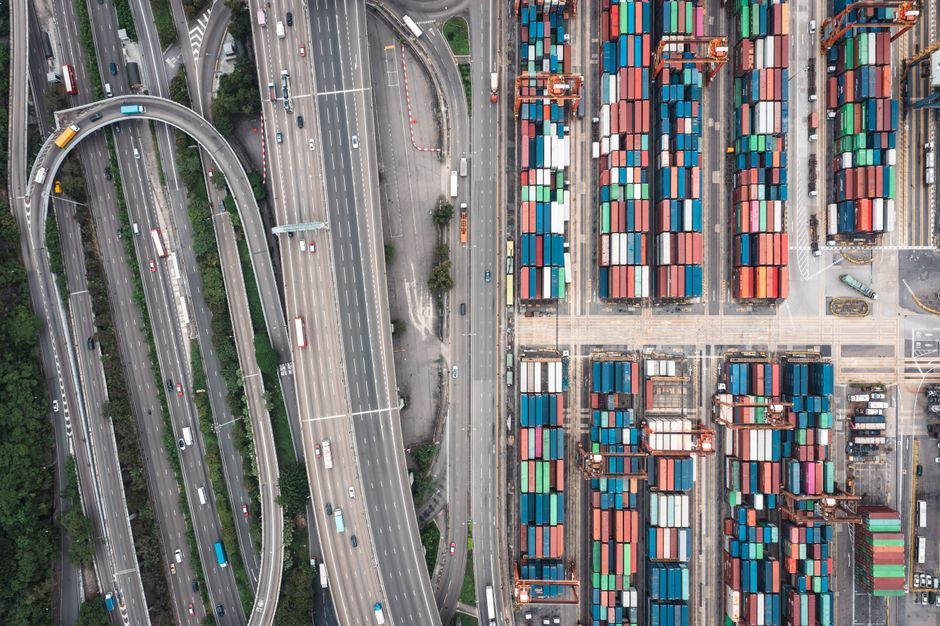
St. Louis sits at the intersection of I-70 and I-55, two of the most critical freight corridors in the country. It's served by multiple Class I railroads, has significant barge infrastructure on the Mississippi and Missouri rivers, and has a large cluster of warehousing and logistics providers built around its geographic position.
For shippers evaluating Midwest distribution locations, St. Louis's position in the national freight network is worth understanding in detail — because the advantages aren't just about distance to market, they're about carrier availability, infrastructure, and the depth of the logistics ecosystem that's developed around it over decades.
That said, the right warehousing location depends on your specific distribution footprint. A company with heavy concentration of customers in the upper Midwest and Great Lakes region might find Indianapolis or Columbus more efficient. One with dominant Southeast volume might find Memphis a better anchor point. The analysis starts with your order data, not a map.
Getting Started
If you're ready to evaluate whether Midwest warehousing makes sense for your distribution network, the starting point is a lane analysis — where your freight is going, how much it costs today, and what a centrally-located distribution point would do to those numbers.
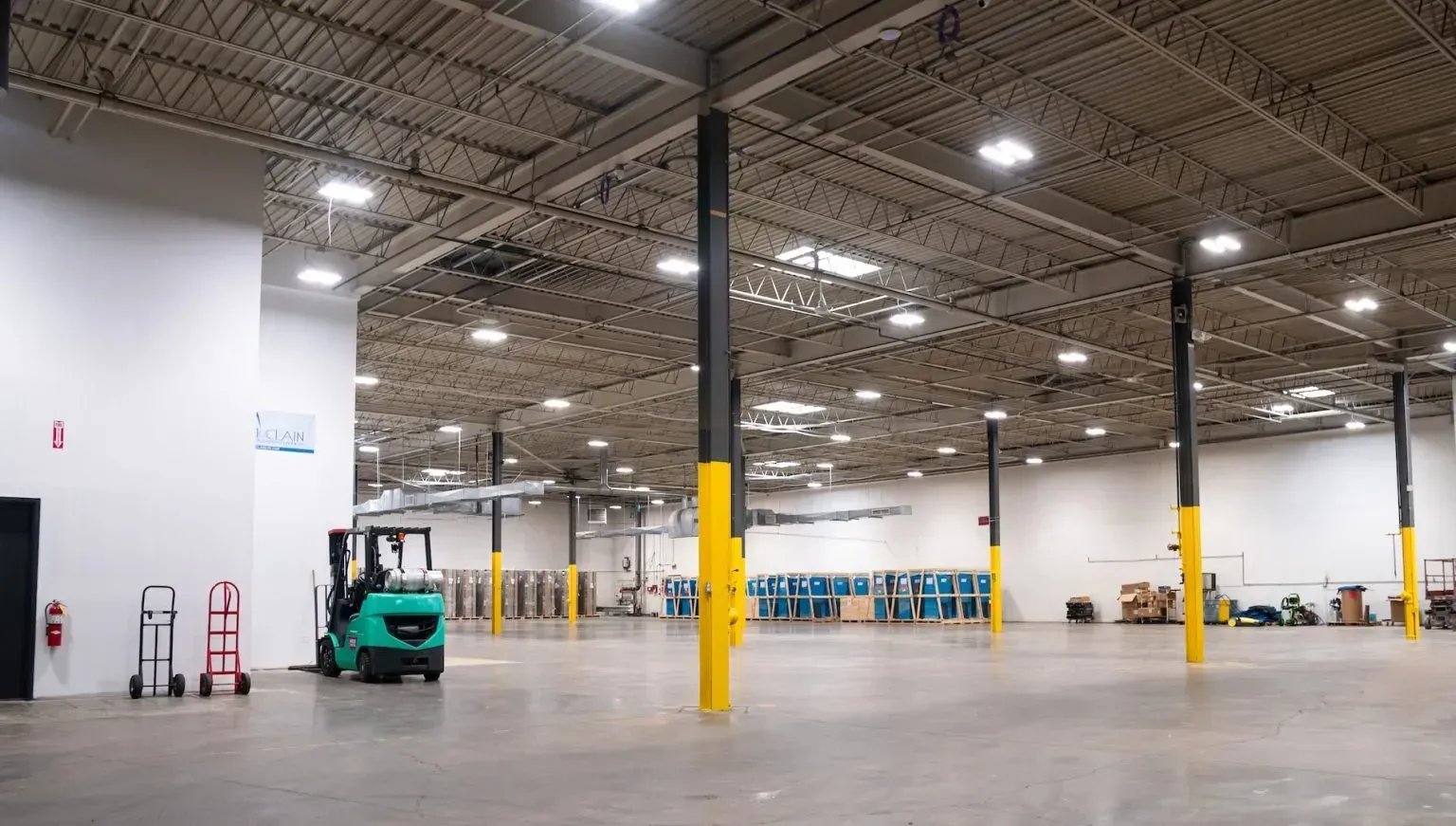
McClain works with shippers in St. Louis and across the Midwest on warehousing, cross-docking, and distribution strategy. Our warehousing capabilities are built around the operational needs of manufacturers and distributors who need flexibility, visibility, and a partner who won't disappear after the contract is signed.
Ready to run the numbers on your distribution network? Talk to our team here.