
Why St. Louis Is a Strategic Logistics Hub for the Midwest
For businesses operating in the Midwest, working with an STL logistics company means tapping into one of the most connected freight networks in the country. Here's what makes St. Louis a genuinely strategic location for supply chain operations — and what that means practically for your business.
The Geographic Case for St. Louis Logistics
St. Louis sits at the confluence of two of the largest rivers in North America: the Mississippi and the Missouri. Long before the interstate highway system existed, that geography made St. Louis a natural hub for commerce. The infrastructure that built up around it never went away — it just evolved.
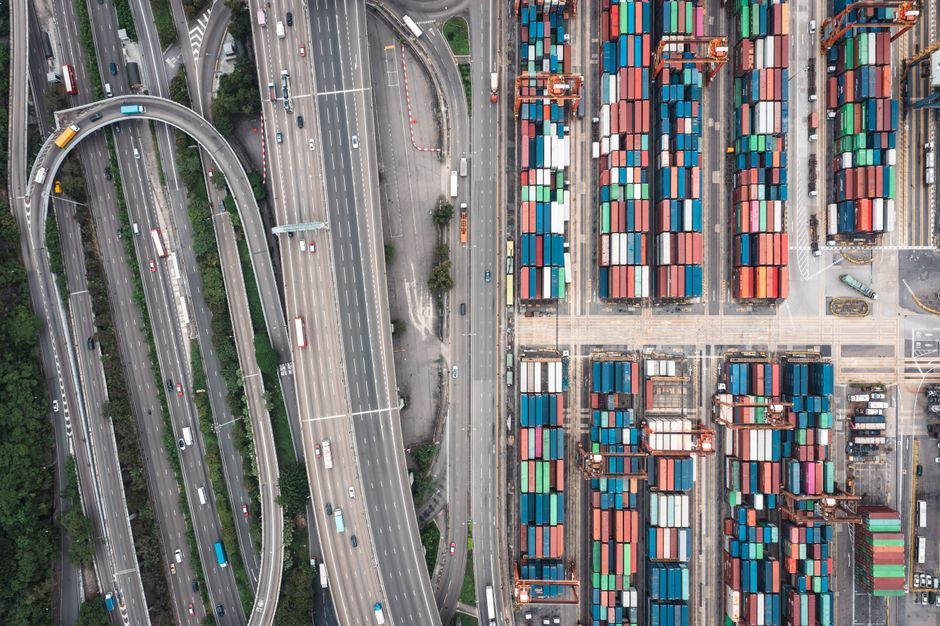
Today, the Greater St. Louis region is served by eight major interstate highways (including I-70, I-55, I-64, and I-44), two Class I railroads — BNSF and Union Pacific — the Mississippi River for barge transportation, and both MidAmerica St. Louis Airport and Lambert-St. Louis International for air freight.
Many major U.S. cities are within a single day's drive. Chicago, Kansas City, Memphis, Indianapolis, and Nashville are all overnight by ground. For shippers looking to reduce transit times and consolidate their distribution network, that kind of reach is difficult to replicate anywhere else in the country.
St. Louis as a Distribution Center Strategy
Many national and regional businesses have landed on St. Louis as their central distribution point — not because the city is their largest market, but because it's the most efficient place to serve multiple markets simultaneously.
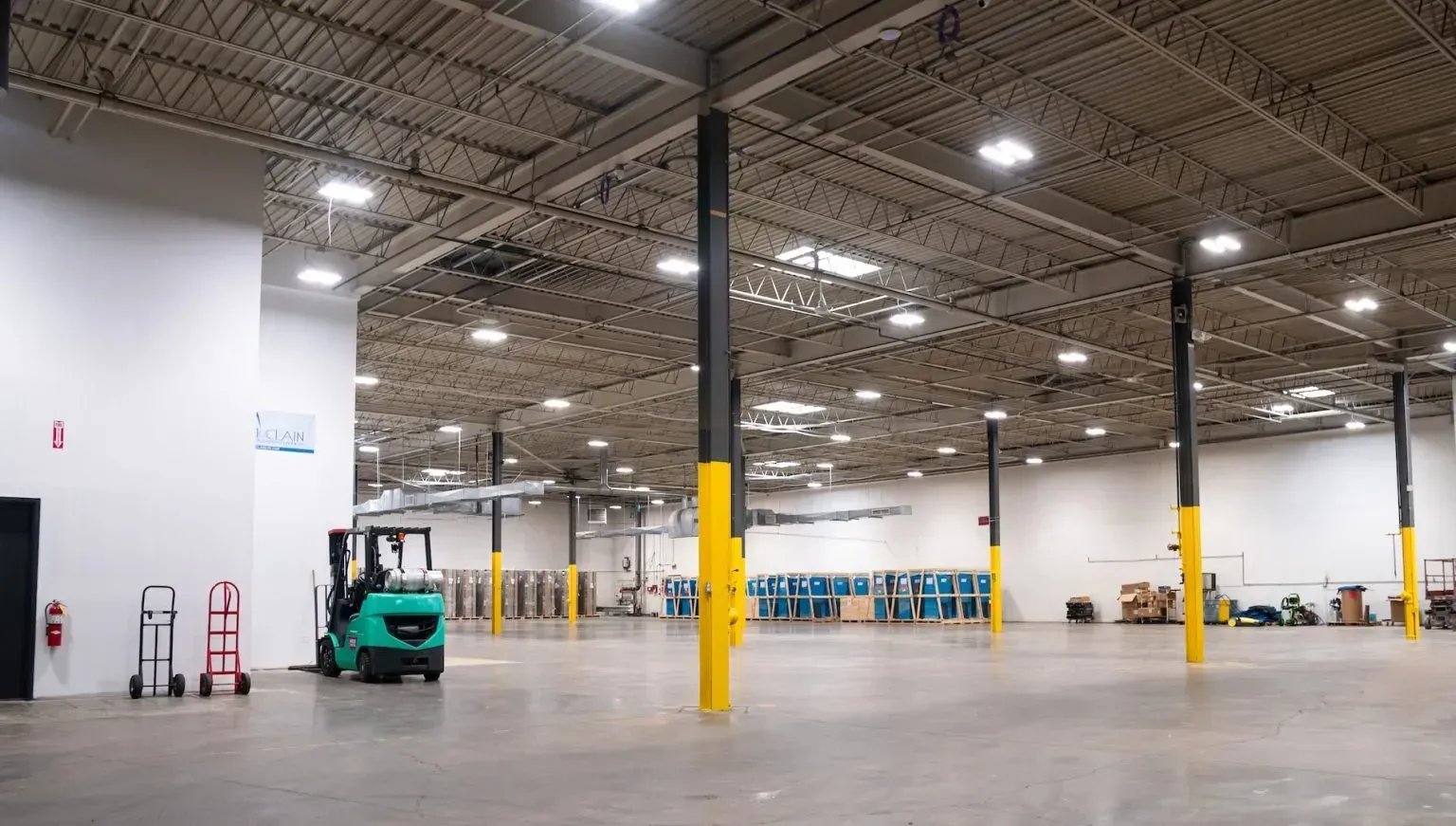
A distribution strategy built around St. Louis typically works like this: inventory arrives from suppliers via rail or barge, gets processed and stored in a regional warehouse, then ships out on trucks to final destinations throughout the Midwest and beyond. Because St. Louis sits in the middle of the country's freight network, both the inbound and outbound legs stay short.
Shorter legs mean lower freight costs, faster delivery windows, and less exposure to carrier capacity constraints that hit longer-haul lanes harder. For businesses serving the central U.S., this is a meaningful structural advantage.
Why Local Expertise Matters
National logistics providers operate in St. Louis, but they don't specialize in it. Their account managers handle accounts in twenty cities and treat St. Louis like any other market. A local STL logistics company understands the specific carrier relationships in this market, the seasonal fluctuations affecting river freight, the industrial corridors in East St. Louis and southern Illinois, and the quirks of navigating freight in a bi-state metro area.
That knowledge matters when you're trying to move time-sensitive freight or solve a capacity problem on short notice. Local logistics partners often have connections with regional carriers and warehouse operators that don't show up in any national directory — and those relationships translate into better rates and more options when you need them most.
Industries That Rely on St. Louis Logistics
The freight that moves through St. Louis spans a wide range of industries. Agriculture and food manufacturing are major categories — St. Louis has deep roots in food processing, and the river system supports efficient commodity movement. Manufacturing, automotive components, retail distribution, and healthcare products all move through St. Louis logistics networks regularly.
For businesses in these industries, a regional logistics partner isn't just a vendor — it's part of the supply chain infrastructure that keeps operations running. McClain & Associates works with businesses across these sectors, handling freight management and supply chain services throughout the greater St. Louis area.
Frequently Asked Questions
Why is St. Louis a good location for logistics and warehousing?
St. Louis sits at the geographic center of the U.S. freight network, with access to eight major interstates, two Class I railroads, and the Mississippi River. This makes it one of the most connected distribution points in the country, with next-day ground reach to most major Midwest cities.
What is a regional logistics company?
A regional logistics company focuses on a specific geographic area and develops deep expertise in the carriers, routes, and market dynamics of that region. Regional firms typically offer more direct relationships, faster response times, and better knowledge of local freight conditions than national providers.
What types of businesses benefit most from St. Louis-based logistics?
Businesses that distribute to multiple Midwest markets, handle agricultural or manufactured goods, or need reliable freight access to major U.S. highways and rail corridors tend to benefit most. St. Louis is particularly advantageous for companies
seeking a centralized distribution point for the central U.S.
How do I find a reliable logistics company in St. Louis?
Look for providers with regional experience, verifiable references, and services aligned with your specific freight needs. McClain & Associates is a St. Louis-based logistics company serving businesses throughout the greater metro area and Midwest.
Putting St. Louis' Geography to Work for Your Business
Location is only an advantage if you have the right partner to help you use it. McClain & Associates is built on the knowledge of this market — the carriers, the routes, the seasonality, and the supply chain dynamics that define logistics in St. Louis.
If you're evaluating your distribution strategy or looking for a logistics partner who actually knows this region, contact us today to explore what a local partnership could look like for your business.
Scheduled publish date: Wednesday, June 3, 2026