

What Is a 3PL? A Guide for St. Louis Businesses
At some point, most growing businesses in St. Louis hit the same wall. The back room is overflowing, shipping is eating half the week, and freight rates keep climbing. The question becomes: do you invest in more space and staff — or is there a smarter way to handle this?
That's usually when businesses start asking about 3PL services. Third-party logistics is one of those terms that gets thrown around a lot but rarely explained well. This guide breaks down what a 3PL actually does, what to expect when you work with one, and how to know whether it makes sense for your operation.
What Is a Third-Party Logistics Provider?
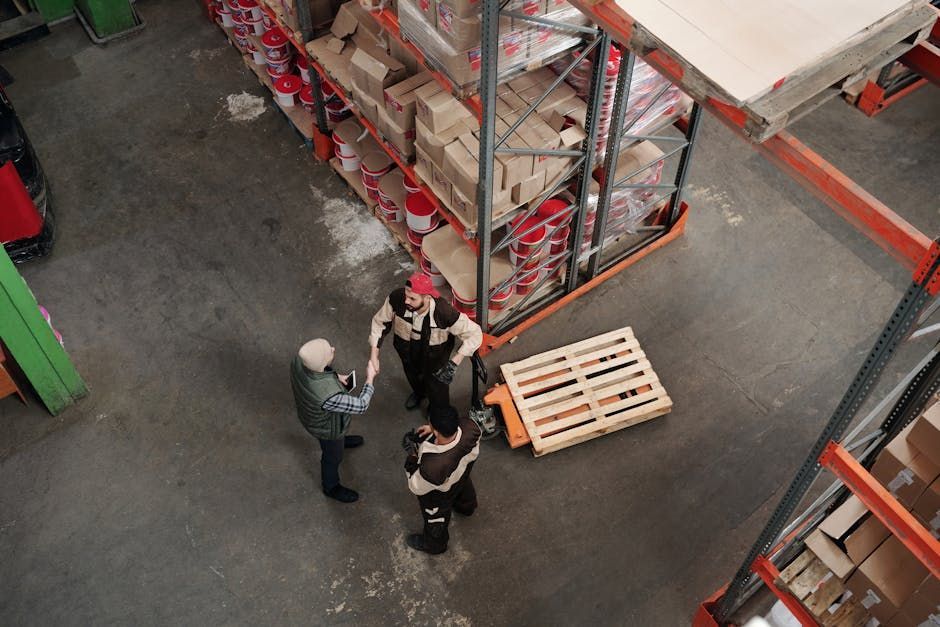
A 3PL — short for third-party logistics provider — is a company that manages logistics operations on behalf of other businesses. Instead of handling your own warehousing, transportation coordination, and freight management, you bring in a specialized partner to run those functions for you.
The "third party" simply means they sit between your business and your customers or suppliers. You make the product. Your customers buy it. The 3PL handles what happens in between — moving it, storing it, and getting it where it needs to go.
3PL providers range from massive national networks with hundreds of facilities to regional specialists focused on a specific geography. For companies in and around St. Louis, working with a regional 3PL often means faster response times, better local market knowledge, and a real human being on the phone when something goes sideways.
What Services Do 3PL Companies Typically Offer?
The scope of services varies by provider. Most 3PL operations cover some combination of:
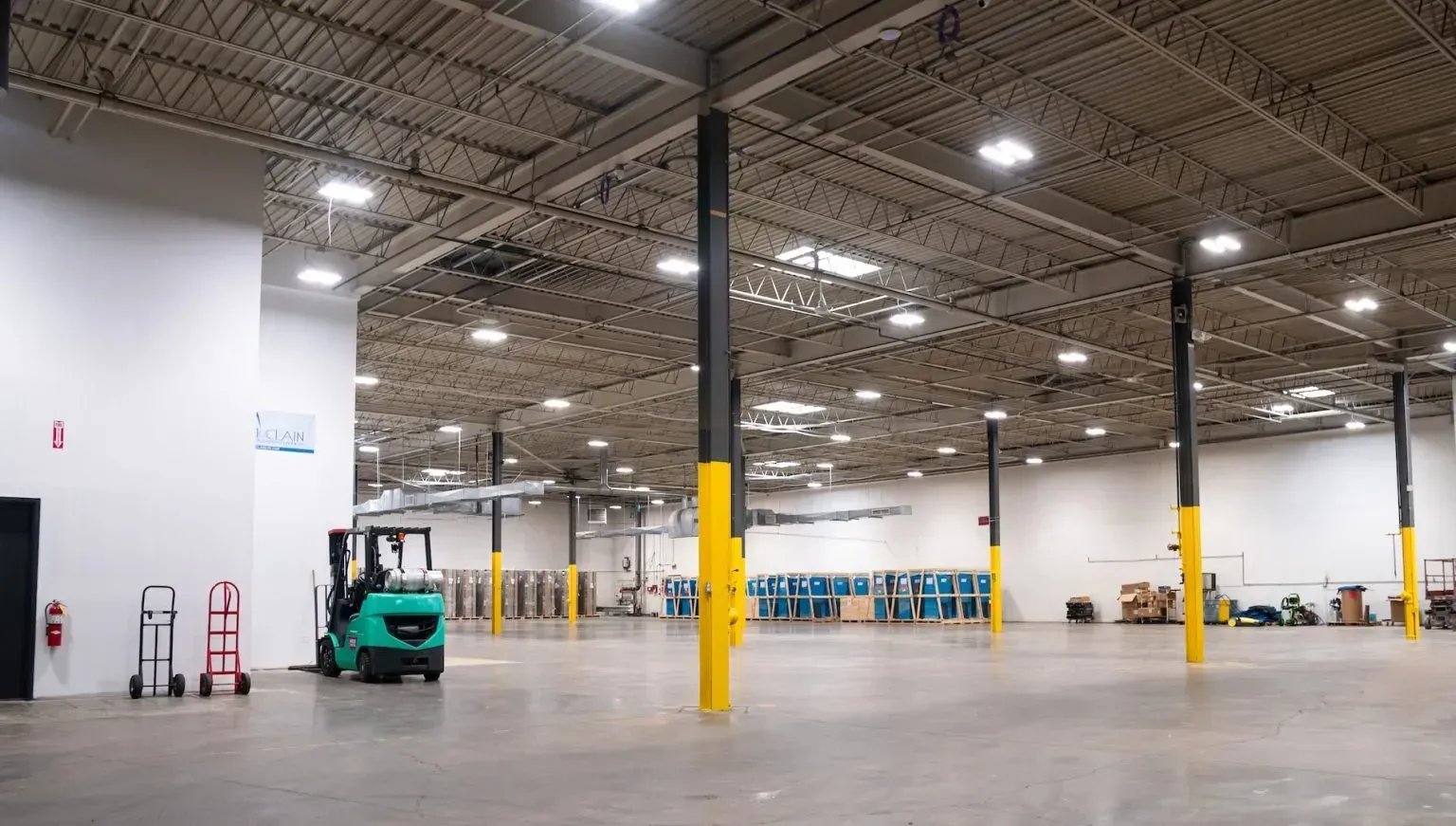
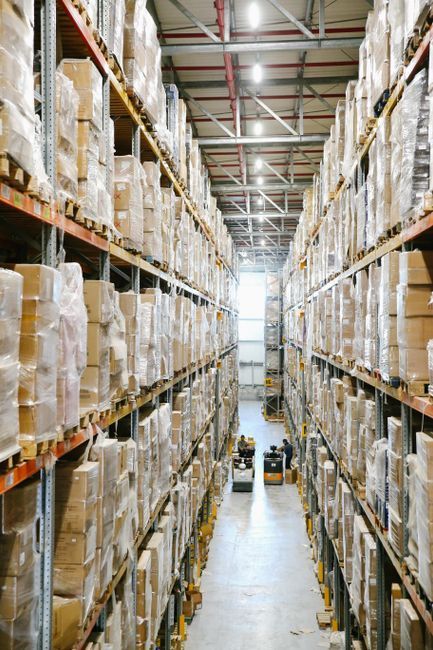
- Warehousing and storage — short-term or long-term, climate-controlled or standard
- Pick-and-pack fulfillment — processing individual orders and preparing them for shipment
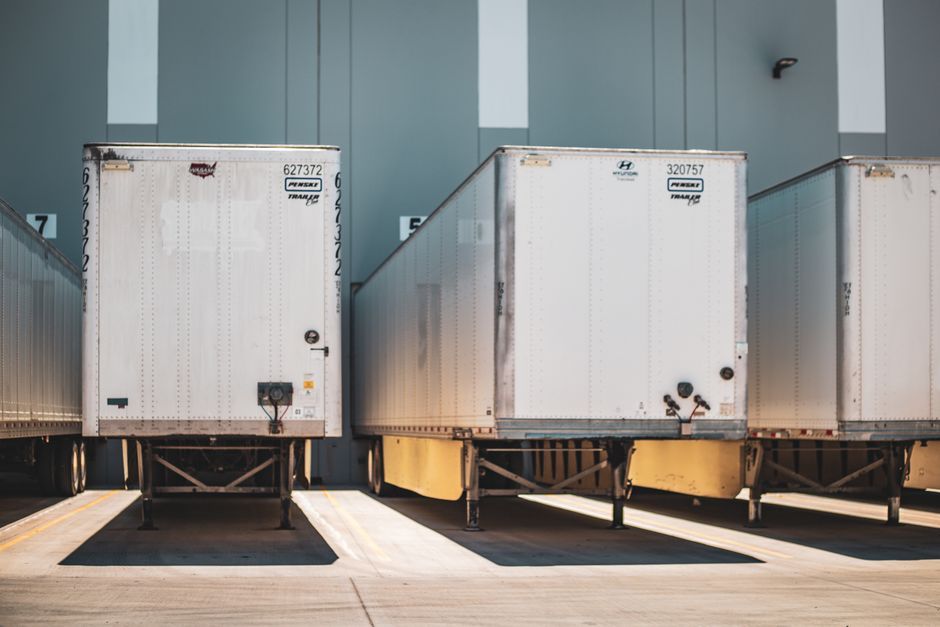
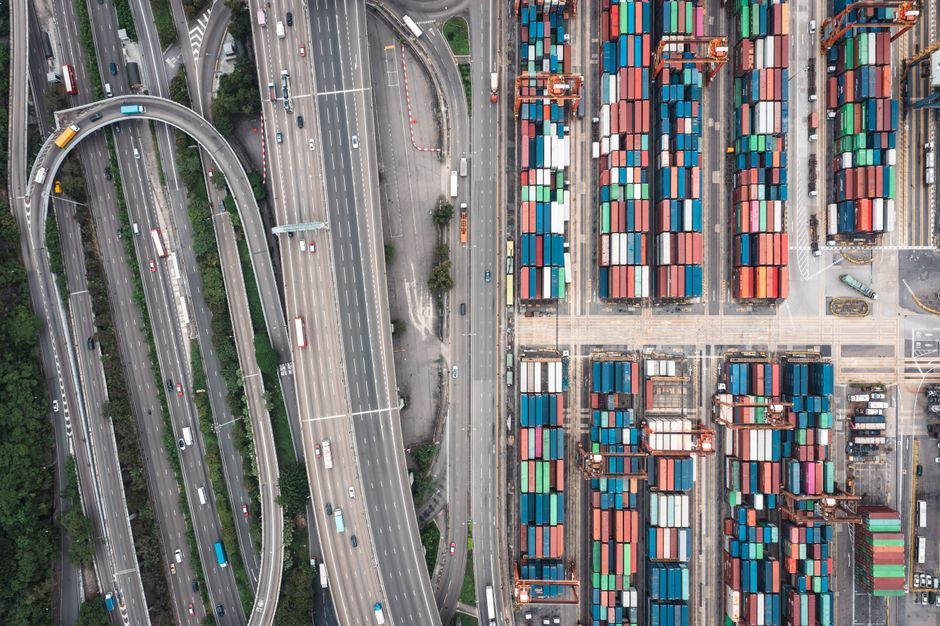
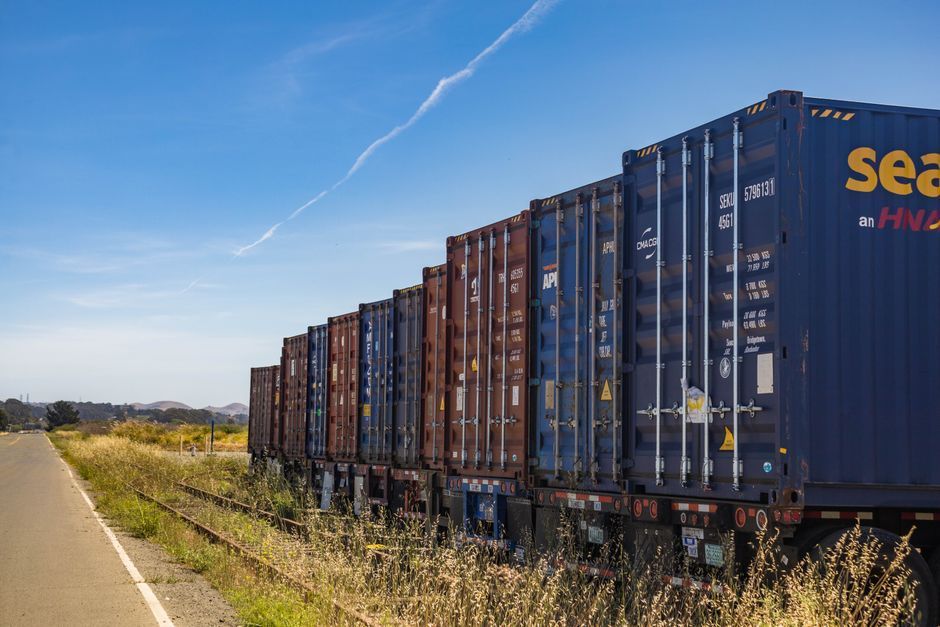
- Freight management — coordinating carriers across LTL, FTL, and intermodal modes
- Transportation brokerage — sourcing competitive rates from a carrier network
- Inventory management — tracking stock levels and managing replenishment
- Cross-docking — transferring shipments directly from inbound to outbound
- Returns processing — handling reverse logistics efficiently
How Do You Know When It's Time to Use a 3PL?
There's no universal trigger point, but a few patterns come up again and again:
- Your team is spending more time managing shipments than running your core business
- Warehouse space is maxed out, and expansion would require serious capital
- You don't have enough freight volume to negotiate competitive carrier rates on your own
- You're entering new markets and need distribution capability you don't currently have
- Orders are falling through the cracks — late deliveries, wrong items, damaged freight
If two or three of those ring true, the economics of outsourcing are worth examining closely. The real cost of managing logistics in-house often gets underestimated: staff time, facility overhead, equipment, insurance, and the leadership attention pulled away from growth.
What to Expect When You Work With a St. Louis 3PL
Expect a discovery conversation first — not a quote form. A 3PL that asks detailed questions about your volume, your seasonal patterns, your product types, and your pain points before talking pricing is a good sign. Generic proposals with no real discovery should raise a flag.
Once onboarding begins, you'll typically receive access to real-time inventory visibility, shipment tracking, and regular reporting. The goal is that logistics stops being something your team has to manage and starts being something that just works.
Frequently Asked Questions About 3PL Services
What does a 3PL company do?
A 3PL company manages logistics operations — including warehousing, transportation, freight management, and order fulfillment — on behalf of businesses that prefer to outsource those functions. The 3PL acts as an extension of the client's operation, handling the physical movement and storage of goods.
What is the difference between a 2PL and a 3PL?
A 2PL offers direct transportation services, like a trucking company or air carrier. A 3PL goes further by managing and coordinating the entire logistics process across multiple carriers, modes of transport, and functions like warehousing and fulfillment.
How much do 3PL services cost?
3PL pricing depends on storage volume, order frequency, services used, and geography. Most providers build custom quotes. A better framing: compare what outsourced logistics costs against the full, honest cost of managing it yourself — staff, space, equipment, and leadership time.
Is a 3PL a good fit for small businesses?
It can be. If you're shipping regularly and logistics is consuming meaningful time or resources, a 3PL can reduce costs and free your team to focus on growth. Volume minimums vary by provider — it's worth a conversation even if your operation is on the smaller side.
How do I find a reliable 3PL in St. Louis?
Look for providers with established regional operations, verifiable client references, and transparent pricing. McClain & Associates has served businesses in the greater St. Louis area for years. Contact us to discuss your needs and see if we're the right fit.
Ready to Explore 3PL Services in St. Louis?
If your logistics situation has gotten complicated — or you're just not sure whether your current setup is as efficient as it could be — McClain & Associates is glad to take a look. We work with businesses across the St. Louis metro and surrounding region to build logistics solutions that make sense for their size, industry, and goals.
Contact us today to start the conversation. No obligation, no pressure — just a straightforward discussion about what's possible.
Scheduled publish date: Tuesday, June 30, 2026