
Drayage in St. Louis: What Shippers Should Know Before the Container Lands
A container can cross the Pacific, clear customs, and ride the rail from the coast without a single problem, then fall apart in the last ten miles. That final short haul is drayage, and it is where most import headaches actually start. If you manage shipping for a manufacturer, distributor, or wholesaler near St. Louis, the time to plan that leg is before the box ever reaches Missouri.
This is a practical look at drayage services in St. Louis: what drayage is, how the region's rail ramps and river terminals fit into the picture, how the fee clock works, and what to have arranged before your container lands.
What Drayage Is, and Why It Deserves More Attention Than It Gets
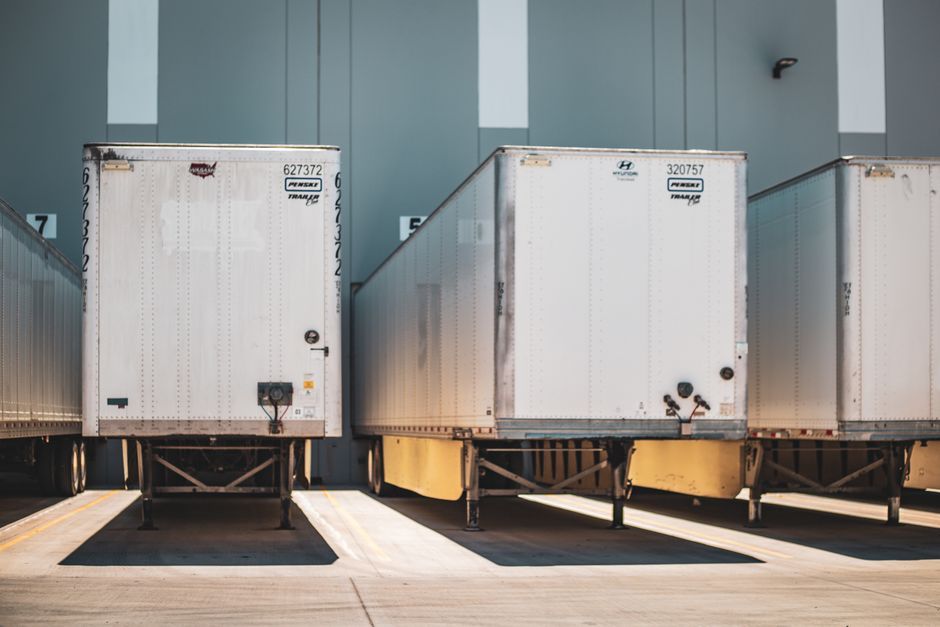
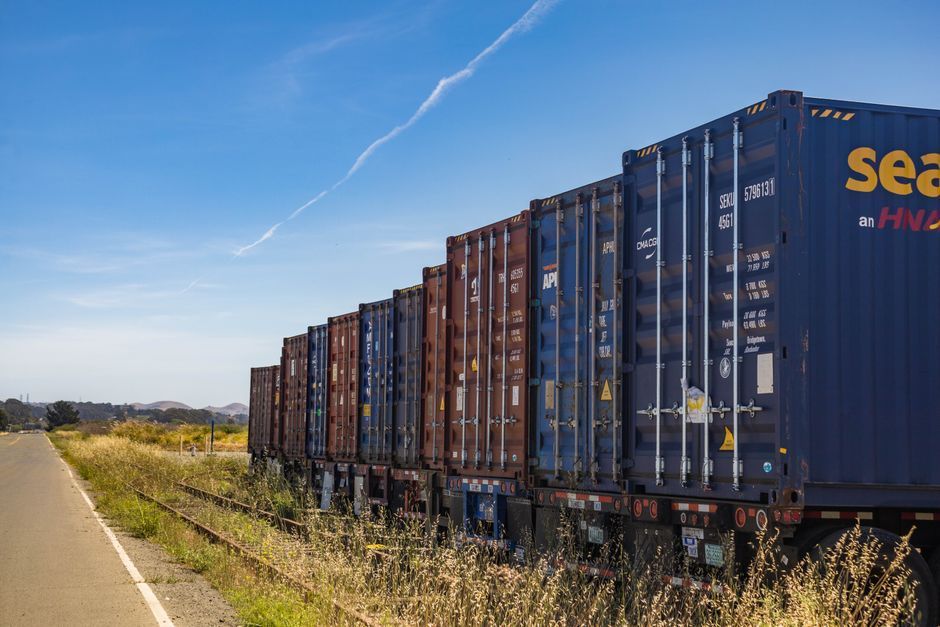
Drayage is the short-distance movement of a shipping container between a rail ramp, port, or terminal and its next stop. That next stop might be your dock, a warehouse, a transload facility, or another mode of transport. The move is usually measured in miles, not states.
Short does not mean simple. Container drayage involves chassis availability, terminal appointment systems, gate hours, driver credentials, and a set of fees that start accruing the moment your container touches the ground. A single missed pickup window can cost more than the drayage move itself.
Here is the part many shippers learn the hard way: the railroad and the steamship line are not watching your container for you. Once it is grounded at the ramp, the clock is running and the responsibility is yours.
How St. Louis Rail Ramps and River Terminals Fit In
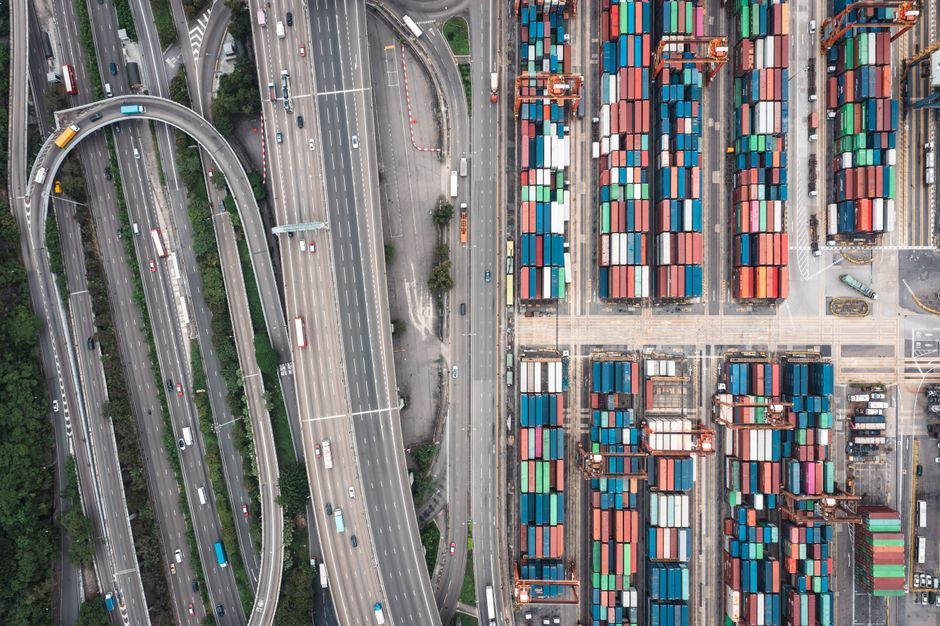
The St. Louis region punches above its weight in intermodal shipping. Multiple Class I railroads serve the metro area with intermodal ramps on both the Missouri and Illinois sides of the Mississippi River. That gives local importers and exporters direct rail connections to the coastal ports, Chicago, Memphis, and the Gulf.
The river adds another option. Barge terminals along the Mississippi handle bulk and project cargo, and for certain freight profiles, moving product by water and finishing by truck is the most economical routing available in the Midwest.
For a shipper within 100 miles of St. Louis, this means your container rarely needs to route through Chicago congestion at all. Port and rail ramp shipping through the St. Louis gateway often shortens the drayage leg, and a shorter drayage leg means lower cost and less exposure to fees. It is one of the reasons St. Louis works so well as a logistics hub for the Midwest.
The Fee Clock: Demurrage, Detention, and Per Diem in Plain Language
Three fees cause most of the pain in container shipping. They sound similar, but they are charged by different parties for different things.
- Demurrage is charged by the terminal or railroad when your loaded container sits at their facility past the allowed free time. Free time is often just a few business days. After that, daily charges begin and typically escalate the longer the box sits.
- Detention is charged when your driver or your facility holds a container (or the truck waiting on it) longer than agreed. If your dock crew takes four hours to unload a live-unload appointment, expect a detention bill.
- Per diem is charged by the steamship line for keeping their container and chassis out in the world past the allowed days. Even after the box leaves the ramp, the equipment clock keeps running until the empty is returned.
Two details matter here. First, these fees stack. A container that sits at the ramp, unloads slowly, and returns late can trigger all three. Second, free time is short and non-negotiable after the fact. The only reliable way to avoid these charges is to plan the move before arrival, not react after it.
Drayage Services St. Louis Shippers Should Line Up Before the Container Lands
The best drayage moves are boring. Nothing sits, nothing escalates, and nobody is on the phone at 4 p.m. on a Friday hunting for a chassis. Getting there takes a short pre-arrival routine.
- Confirm the arrival ramp and estimated availability date. Track the container while it is still on the rail. Last free day planning starts with knowing when the box grounds.
- Book the drayage carrier early. St. Louis has good dray capacity, but it is not unlimited. Waiting until the arrival notice hits your inbox puts you at the back of the line.
- Sort out the chassis. Know whether your carrier owns chassis or pulls from a pool, and confirm one will be available for your move. Chassis shortages are a common cause of missed last free days.
- Verify customs and fees are cleared. A container with a customs hold or unpaid charges cannot leave the ramp, no matter how well you planned the truck.
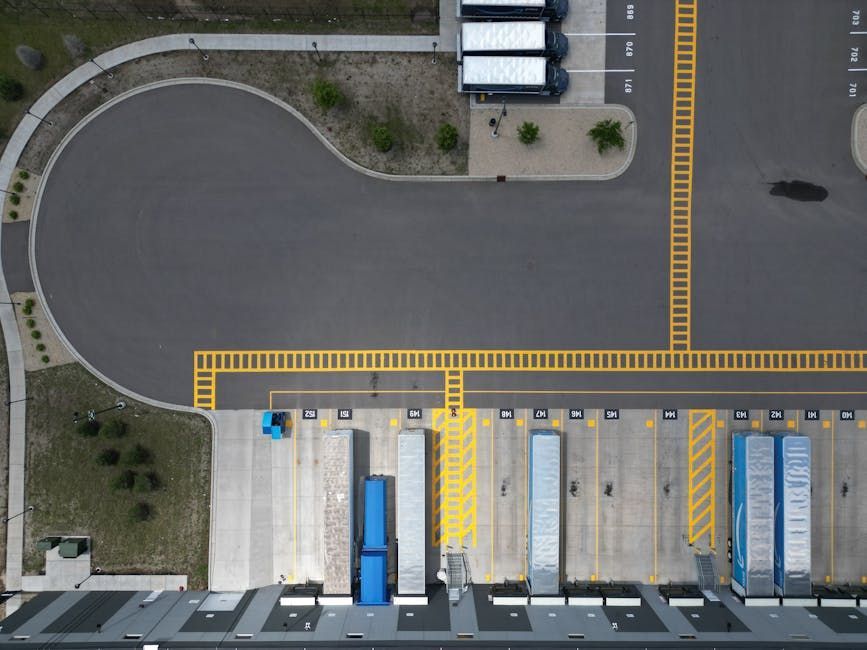
- Schedule the unload. Decide between a live unload and a drop-and-hook, confirm dock labor, and set a realistic appointment. If your dock is tight on space or staff, arrange a cross-dock or warehouse instead.
- Plan the empty return. Confirm where the empty container goes back and by when. Per diem does not stop until the equipment is returned and received.
None of these steps is difficult. The failure mode is that they sit with three different people (a broker, a receiving manager, an overseas supplier) and nobody owns the whole sequence.
Where a Local 3PL Fits: Coordinating the Handoff
This is the core argument for working with a St. Louis 3PL on container freight: one local team owns the sequence end to end.
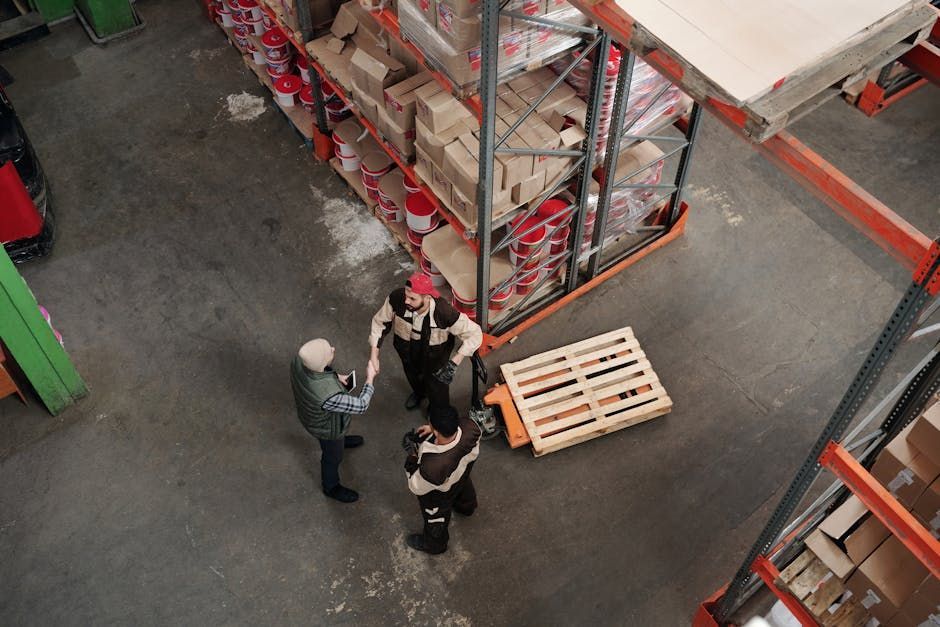
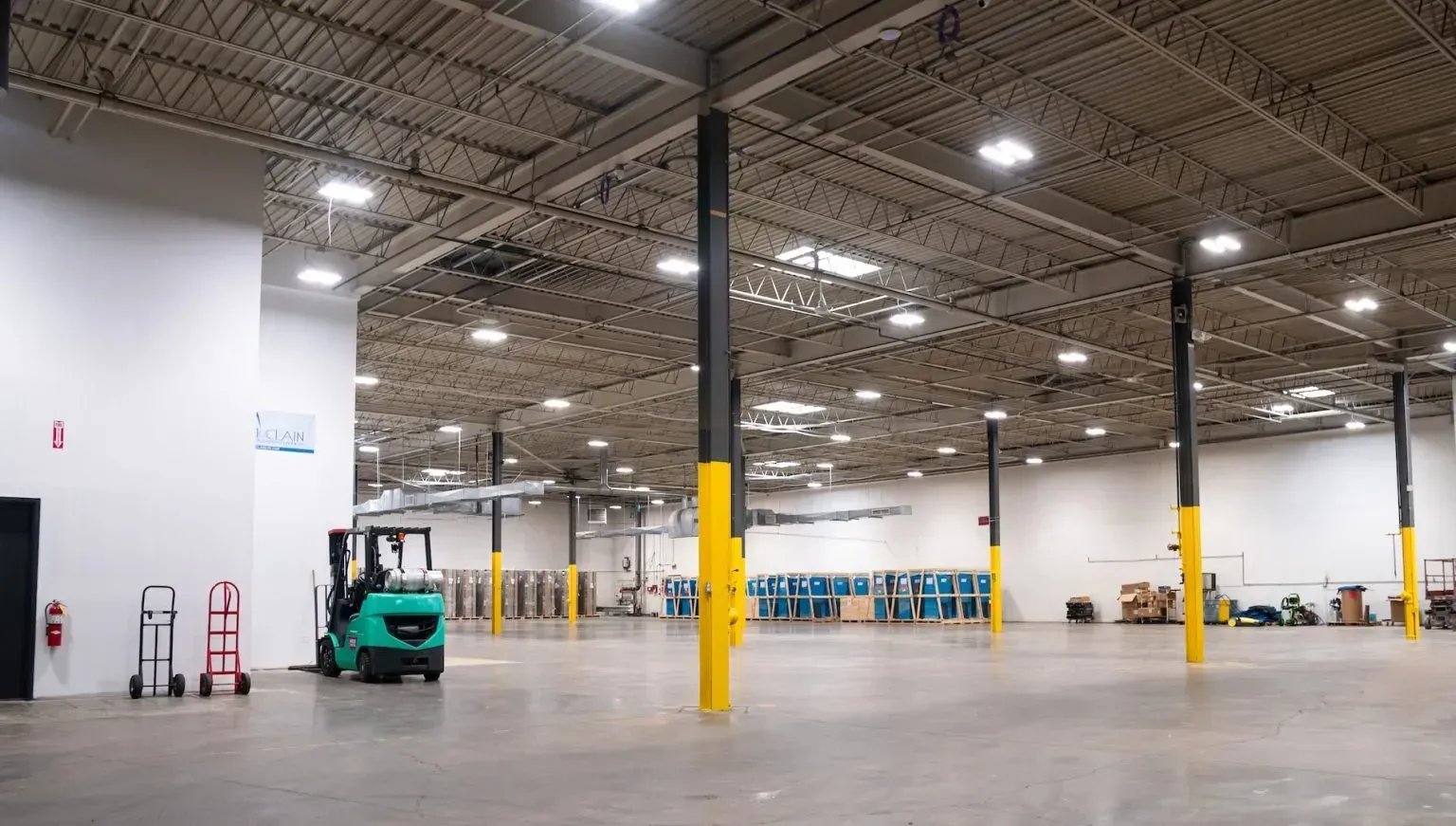
At McClain & Associates, that coordination looks like this. We track the container inbound, schedule the dray with a carrier we know, and confirm chassis before the box grounds. If your facility cannot take the container directly, it comes to our 30,000 square foot warehouse in Maryland Heights for unloading, cross-docking, or short-term storage.
From there, the freight moves on your schedule instead of the steamship line's. Palletized product can ship out as truckload or less-than-truckload to customers across the Midwest. Slower-moving inventory can stay in storage until you need it. The empty gets returned inside the free days, and the per diem clock stops.
There is also a visibility benefit. Instead of piecing together updates from a terminal website, a dray carrier, and your receiving dock, you get one point of contact and reporting on where the freight is and what it cost. That is standard practice in our freight management work for St. Louis shippers, and it matters most on intermodal freight, where handoffs multiply.
We have been doing this from Maryland Heights since 1995. We know the local ramps, the gate quirks, and which lanes get tight at the end of a quarter. That local knowledge is not something you can see on a rate sheet, but you feel it every time a container moves without drama.
A Realistic Example
Picture a mid-size distributor in St. Charles County bringing in four containers a month through a St. Louis area ramp. Their dock has two doors and a small crew, so live unloads run long and detention charges show up on a third of their invoices. Occasionally a container grounds on a Thursday, nobody books a dray until Monday, and demurrage eats the savings from their ocean rate.
The fix is not heroic. Containers get tracked inbound, drays get booked before arrival, and two of the four boxes route to a cross-dock instead of the crowded dock. Product ships out as LTL over the following week. The fee line on the freight budget shrinks to nearly zero, and the receiving crew stops dreading container days.
That is the whole promise of good drayage coordination: fewer surprises, fewer fees, and freight that moves on your terms.
Get Ahead of Your Next Container
If you have a container on the water right now, or a fee bill on your desk that should not have happened, let's talk before the next box lands. McClain & Associates coordinates drayage, warehousing, and final delivery from our facility at 11800 Adie Rd in Maryland Heights, serving shippers within 100 miles of St. Louis.
Call (636) 896-0085 or reach out through mcclainltd.com and we will walk through your inbound container flow together.
Frequently Asked Questions
What are drayage services in St. Louis?
Drayage services in St. Louis are short-haul truck moves that carry shipping containers between the region's rail ramps or river terminals and a warehouse, dock, or transload facility. The metro area is served by multiple Class I railroads and Mississippi River barge terminals, so drayage is the connecting leg for most intermodal freight entering or leaving the region.
What is the difference between demurrage, detention, and per diem?
Demurrage is charged by the terminal when a loaded container sits past its free time. Detention is charged when a truck or facility holds equipment longer than agreed, such as a slow live unload. Per diem is charged by the steamship line for keeping its container out past the allowed days. They can stack on a single poorly planned move.
How can shippers avoid demurrage and per diem charges?
Plan the move before the container arrives. Track the box inbound, book the drayage carrier and chassis early, clear customs and fees in advance, schedule the unload appointment, and confirm where and when the empty returns. Most demurrage and per diem charges trace back to a step that nobody owned, not to bad luck at the terminal.
Can a 3PL handle drayage and warehousing together in St. Louis?
Yes. A St. Louis 3PL like McClain & Associates coordinates the dray from the rail ramp, receives the container at its Maryland Heights warehouse for unloading or cross-docking, returns the empty within free time, and ships the freight onward by truckload or LTL. One local team owns the whole sequence, which is what keeps fees off the invoice.