
Warehousing vs. Cross-Docking in St. Louis: Which One Your Freight Actually Needs

Dan McClain • September 7, 2026

Share this article

Some freight needs to sit for a while. Other freight loses money every hour it sits. Sorting your products into those two buckets is the fastest way to control fulfillment spend, and it is the first conversation worth having with a warehousing company in St. Louis.

McClain & Associates has run both models out of our Maryland Heights facility since 1995. Here is the honest answer from the warehouse floor: neither warehousing nor cross-docking is better. They solve different problems, and plenty of shippers within 100 miles of St. Louis need a mix of both. This is the decision framework we walk clients through.

First, the Quick Definitions

Warehousing means your product arrives, goes into racking, and stays until an order pulls it out. You are paying for space and time in exchange for availability. When a customer orders, the product is already positioned and ready to ship.

Cross-docking means product comes in one door and goes out another, usually within 24 hours. Inbound trailers are unloaded, freight is sorted by destination, and it moves straight onto outbound trucks. Storage is measured in hours, not weeks.

That one difference, whether inventory rests or flows, drives everything else: the cost structure, the products that fit, and the operational discipline each model demands.

How the Cost Structures Differ

A typical warehousing bill has three parts:

  • Storage, usually charged per pallet per month
  • Handling, charged per pallet or per case, both inbound and outbound
  • Value-added services such as labeling, kitting, repacking, or inspection

Cross-docking drops the storage line almost entirely. You pay a handling charge to move freight across the dock, and that is most of the invoice. No monthly pallet fees. No capital tied up in idle inventory. For freight that was going to move quickly anyway, paying rent on it never made sense.

There is a catch, though. Cross-docking only works when inbound and outbound schedules line up. If your inbound trucks run late, or your outbound carrier capacity is loose, freight stalls on the dock and you have accidentally built an expensive, disorganized warehouse. A cross-dock is cheap to use and unforgiving to run. That is why the operator matters more than the rate sheet, a point we cover in our guide to choosing a 3PL provider in the Midwest.

Inventory Velocity: The Number That Decides It

If you only look at one metric, look at inventory turns. Take annual cost of goods sold and divide it by average inventory value. The result points to the right model.

  • Fast turners. SKUs that turn over every few weeks are strong cross-dock candidates. They do not need to rest, so why pay for the bed?
  • Moderate turners. Products that cycle every one to three months usually fit short-term warehousing with active replenishment.
  • Slow turners. Safety stock, seasonal builds, and slow but steady SKUs need real warehousing with proper racking and inventory control.

Velocity also shifts with the calendar. A product that flows all summer may need storage from November through February. A good 3PL warehouse in St. Louis should let you slide between models without renegotiating a contract every quarter.

Which Products Belong in a Warehouse

Holding inventory makes sense when availability is worth more than the storage fee. Common examples we see across Missouri and southern Illinois:

  • Seasonal goods built ahead of demand
  • Safety stock protecting a production line from supplier delays
  • Imported components bought in container quantities to hit price breaks
  • Steady, slower-moving SKUs that anchor your catalog
  • Products that need kitting, labeling, or quality checks before shipping

Picture a manufacturer in the Metro East that imports components by the container each quarter. The parts arrive by drayage from a local rail ramp, but the production line consumes them over twelve weeks. That inventory has to live somewhere secure, tracked, and close to the plant. That is warehousing and distribution in St. Louis doing exactly what it should.

Which Freight Belongs on a Cross-Dock

Cross-docking services in St. Louis earn their keep when freight is pre-sold, time-sensitive, or headed to many destinations at once:

  • Retail replenishment orders with firm delivery appointments
  • Truckload freight that needs to be broken down into regional LTL shipments
  • Multiple inbound LTL shipments consolidated into full outbound truckloads
  • Promotional or launch inventory that must hit stores in the same week
  • Date-coded products that lose shelf life sitting in racking

Now picture a distributor near Earth City. Full truckloads arrive from suppliers in Chicago and Kansas City, and every pallet is already committed to a customer. Putting that freight into racking would add cost and a day of delay for nothing. Sorting it across the dock and reloading it for delivery routes the same day is the better play. St. Louis sits at the crossing of I-70, I-44, I-55, and I-64, which is a big part of why the region works so well as a Midwest logistics hub for exactly this kind of flow-through freight.

A Warehousing Company in St. Louis Should Be Able to Do Both

Here is what two decades of running freight has taught us: most shippers do not have a warehousing business or a cross-docking business. They have both, in different proportions, and the proportions change.

A common hybrid looks like this. Core SKUs sit in storage as a buffer against demand swings. Surge volume, promotions, and pre-sold orders flow through the cross-dock. During peak season the mix shifts toward flow-through. In slower months it shifts back toward storage.

The mistake is forcing everything into one model. Warehouse everything and you pay rent on freight that never needed to stop. Cross-dock everything and one late inbound truck cascades into missed delivery appointments. A provider that handles both, and coordinates the carriers on either side through active freight management, can put each pallet in the right lane instead of the convenient one.

How McClain Runs Both in Maryland Heights

Our 30,000 square foot facility at 11800 Adie Rd in Maryland Heights was set up for this dual role. Racked storage handles warehousing clients with real inventory control and reporting, so you can see your stock levels without calling to ask. The dock handles daily cross-dock work: truckload breakdowns, LTL consolidation, and drayage moves from area rail ramps.

Location does a lot of the work. We are minutes from I-270, close to the I-70 corridor, and positioned to reach most of the Midwest within a day's drive. Because we also run truckload, LTL, intermodal, and expedited freight as a full St. Louis 3PL, the trucks feeding the dock and the trucks leaving it are coordinated by the same team. That is the difference between a cross-dock that flows and one that clogs.

We are family owned, and Dan McClain still runs the company the way it started in 1995: answer the phone, tell shippers the truth, and do what we said we would do.

Talk to a St. Louis Warehousing Team That Does Both

If you are weighing storage against flow-through, the fastest path is a short conversation about your SKUs, your turn rates, and your delivery commitments. We will tell you plainly which freight should sit, which should move, and what each option costs.

Call McClain & Associates at (636) 896-0085 or reach out through mcclainltd.com. We have been helping St. Louis area manufacturers, distributors, and wholesalers get this decision right for 30 years, and we are glad to look at yours.

Frequently Asked Questions

What is the difference between warehousing and cross-docking?

Warehousing stores inventory in racking until orders pull it out, which can mean weeks or months of storage. Cross-docking moves freight from inbound trucks to outbound trucks within about 24 hours, with little or no storage. Warehousing prioritizes product availability, while cross-docking prioritizes speed and lower storage cost for freight that is already committed to a destination.

Is cross-docking cheaper than warehousing?

Often, yes, for the right freight. Cross-docking removes monthly storage fees, so you mainly pay handling charges to move pallets across the dock. But it only saves money when inbound and outbound schedules are tightly coordinated. Slow-moving inventory still needs traditional warehousing, because freight stalled on a cross-dock creates delays and costs that erase the savings.

What products are best suited for cross-docking?

Cross-docking fits pre-sold, fast-moving, or time-sensitive freight: retail replenishment with delivery appointments, truckloads breaking down into regional LTL shipments, consolidated outbound loads, promotional launches, and date-coded goods. Products with unpredictable demand, seasonal builds, or slow turn rates are better suited to warehousing, where availability matters more than speed across the dock.

Does McClain & Associates offer both warehousing and cross-docking in St. Louis?

Yes. McClain & Associates operates a 30,000 square foot facility at 11800 Adie Rd in Maryland Heights, Missouri, offering racked warehouse storage, daily cross-docking, LTL consolidation, and drayage from area rail ramps. Because McClain also manages truckload, LTL, intermodal, and expedited freight, both services connect to coordinated carrier capacity. Call (636) 896-0085 to discuss your freight.

Recent Posts

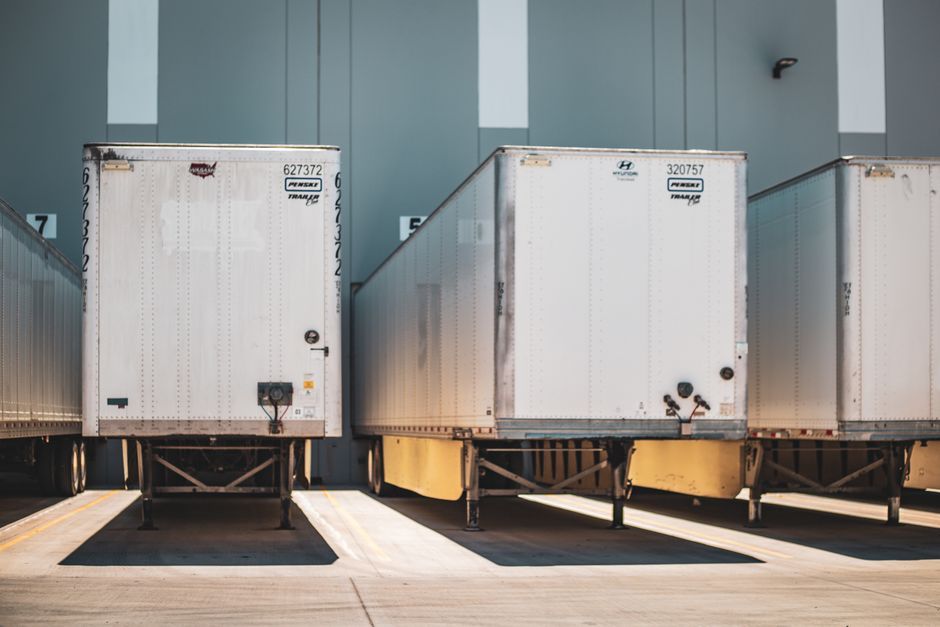
White freight trailers parked at a loading dock beside a warehouse building
By Dan McClain August 17, 2026
Cross-docking through Midwest logistics hubs is one of the fastest ways to cut dwell time and distribution cost. Here's how it works — and when it makes sense for your freight.

Team reviewing financial charts and graphs around a conference table with laptop and documents
By Dan McClain August 10, 2026
When should Midwest shippers bring in supply chain consulting help? Here are the signs it's time — and how to find a partner worth paying for in St. Louis, Chicago, and Kansas City.

Aerial view of a highway interchange beside a dense container port with stacked colorful shipping containers
By Dan McClain August 3, 2026
Non-asset based 3PLs give Midwest shippers more carrier options, better rates, and no conflict of interest. Here's why more Missouri and Illinois shippers are making the switch.
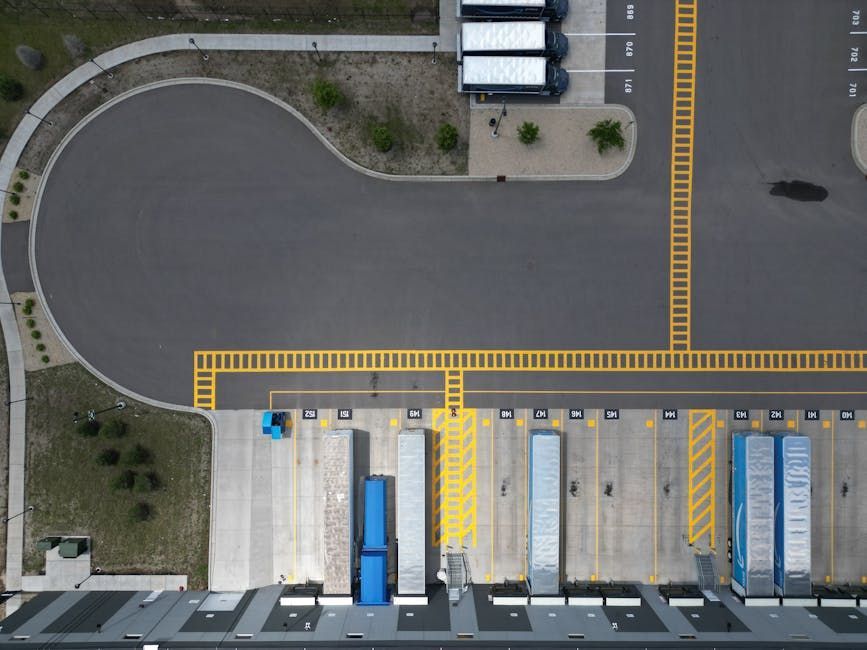
Aerial view of a truck loading dock with parked trailers, yellow lane markings, and a curved roadway.
By Dan McClain August 1, 2026
Not sure if 3PL services are right for your business? This guide explains what third-party logistics providers do and when it makes sense to partner with one in St. Louis.
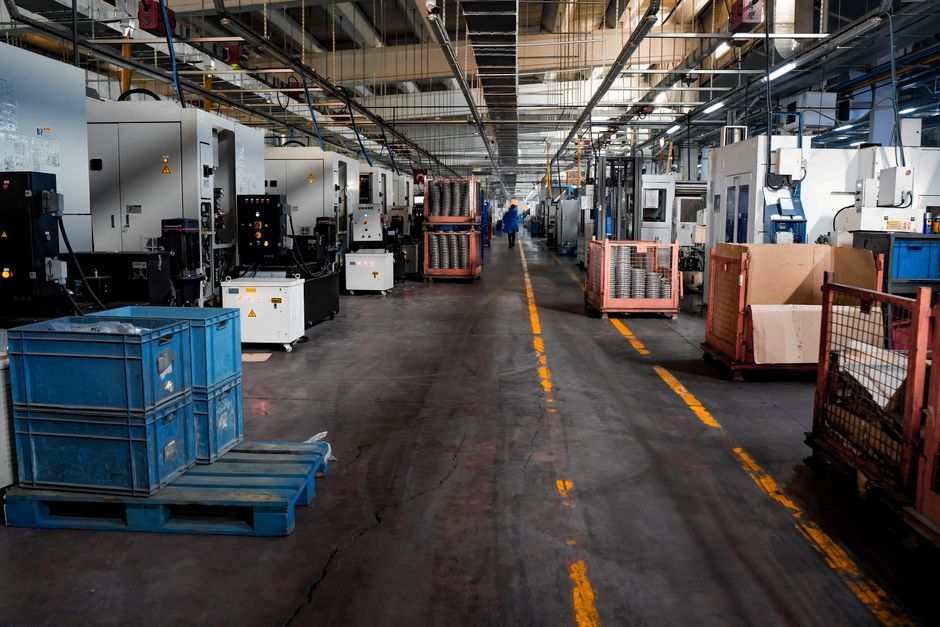
Industrial warehouse aisle with machinery, pallets, and blue bins along a marked concrete floor
By Dan McClain July 27, 2026
Should Midwest manufacturers manage logistics in-house or outsource to a 3PL? Here's an honest cost comparison — including the hidden expenses most operations teams miss.
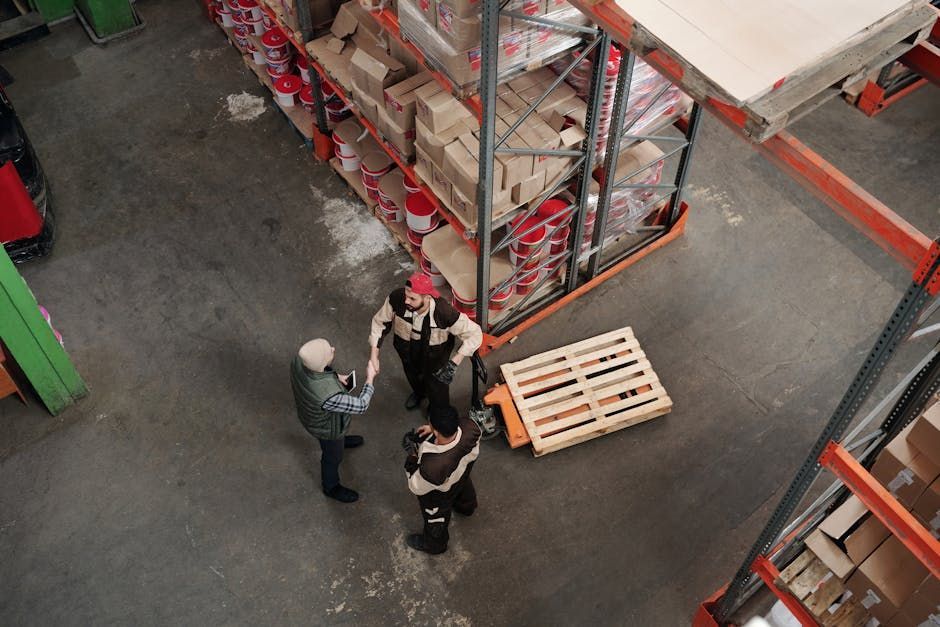
Three workers stand beside stacked pallets in a warehouse aisle, viewed from above.
By Dan McClain July 25, 2026
Comparing logistics services in St. Louis? Learn what separates a strong logistics partner from a generic vendor and how to find the right fit for your business.
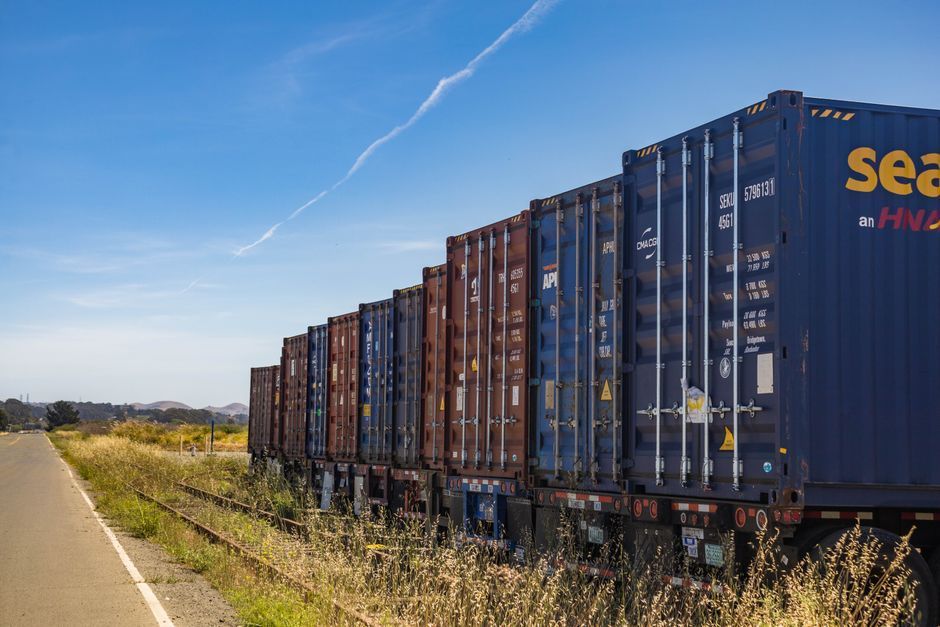
Long freight train of shipping containers beside a rural road under a blue sky
By Dan McClain July 20, 2026
Intermodal shipping through the Midwest rail network is one of the most underused cost-reduction tools in freight. Here's when it makes sense — and when it doesn't.

Export goods report with a blue bar chart on a white page
By Dan McClain July 18, 2026
Supply chain management explained for St. Louis businesses. Learn what SCM covers, why it matters, and how a local supply chain service can improve your operation.
Highway scene with a truck driving ahead on a sunny, tree-lined road
By Dan McClain July 13, 2026
The truckload vs. LTL decision isn't just about weight. Midwest shippers in St. Louis, Chicago, and Columbus are leaving money behind by defaulting to the wrong mode.
Two people reviewing notes and a laptop at a meeting table
By Dan McClain July 11, 2026
Evaluating 3PL services in the Midwest? Use this practical guide to compare providers, ask the right questions, and avoid common mistakes in logistics outsourcing.
Show More