
Cross-Docking in the Midwest: How Shippers in St. Louis, Indianapolis, and Memphis Eliminate Warehouse Wait Time

Dan McClain • August 17, 2026

Share this article

Traditional warehousing works like this: freight arrives, gets checked in, gets put away on a rack or shelf, waits there for days or weeks or months, then gets picked, packed, and shipped out. For some freight, that wait is necessary — safety stock, seasonal inventory, products that need to be held until demand signals arrive. But for a significant portion of what moves through Midwest distribution networks, that dwell time is pure cost with no corresponding value.

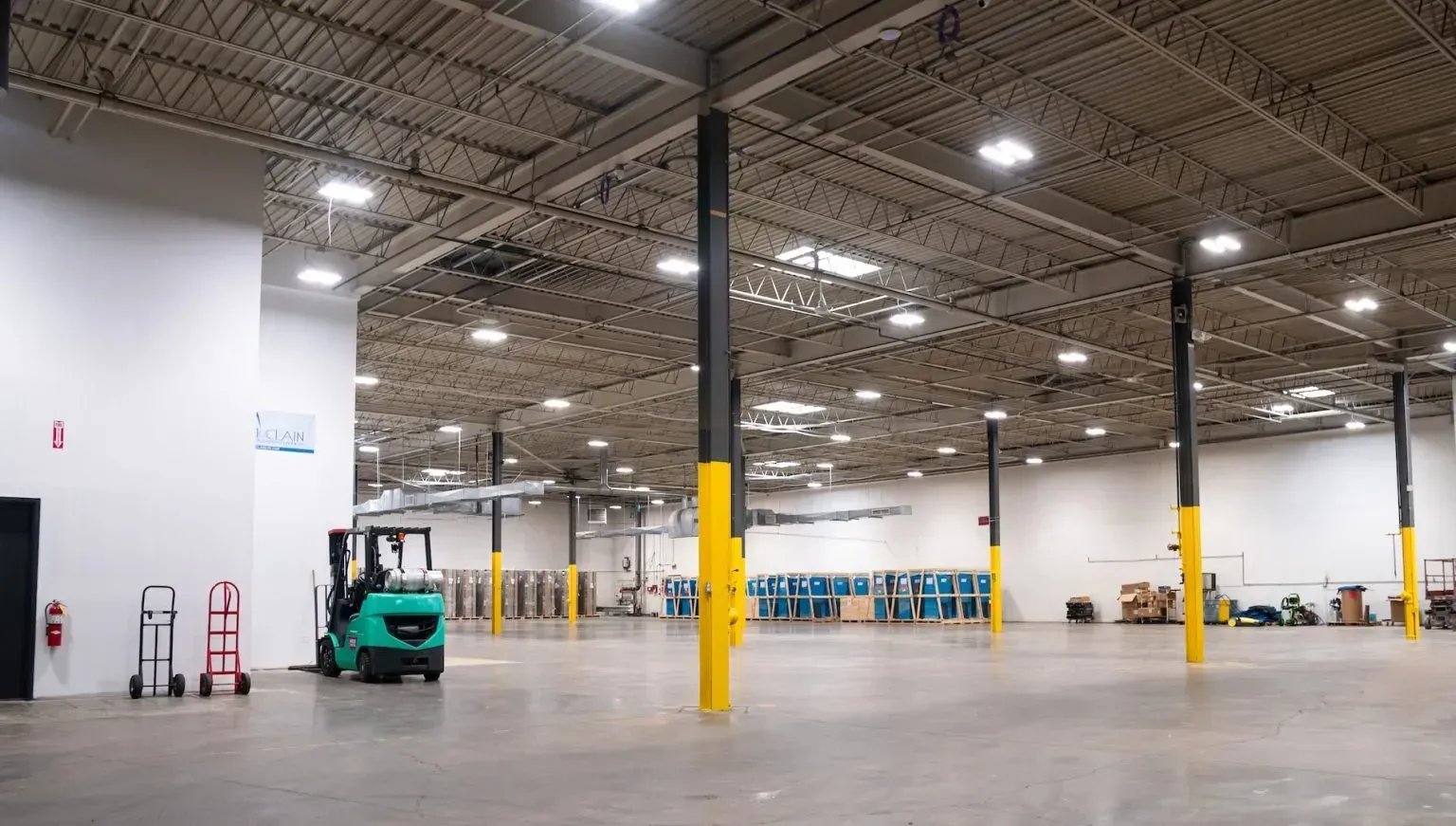
Cross-docking eliminates the wait. Freight comes in one door and goes out another, with minimal or no time on a rack in between. The efficiency gains are real: faster cycle times, lower labor cost per unit, reduced warehouse space requirements, and — because freight spends less time sitting — lower risk of damage, theft, or expiration. For Midwest shippers moving high-velocity freight through distribution hubs in St. Louis, Indianapolis, Columbus, Kansas City, Memphis, and Chicago, cross-docking is worth understanding in detail.

What Cross-Docking Actually Looks Like in Practice

A retailer in Chicago is expecting a floor-ready replenishment from three different manufacturers — one in St. Louis, one in Indianapolis, one in Memphis. Under a traditional warehousing model, each manufacturer ships to the retailer's DC, where the freight sits in receiving until all three shipments are reconciled, then gets picked and moved to outbound. The total dwell time might be two to five days.

Under a cross-docking model, all three manufacturers ship to a centrally-located cross-dock facility — say, a hub in St. Louis or Indianapolis. The freight is sorted and consolidated within hours of arrival. A single outbound truck departs for the Chicago retailer with a full, consolidated load from all three manufacturers. Total dwell time at the cross-dock: four to eight hours. The retailer gets inventory faster. The manufacturers pay for one outbound haul split across three shipments instead of three separate LTL moves.

This is the core value of cross-docking: it compresses the supply chain between manufacturing and retail, reduces the number of individual freight moves, and positions the Midwest's central geography as an efficiency advantage rather than just a transit point.

When Cross-Docking Makes the Most Sense

Cross-docking works best with high-velocity, time-sensitive freight where dwell time has real cost. Retail replenishment is the most common use case — fast-moving consumer goods, promotional inventory, and seasonal items where speed to shelf directly affects sales. For manufacturers supplying major retailers with distribution centers in Columbus, Chicago, or Kansas City, cross-dock arrangements can shorten the order-to-shelf cycle by days.

Just-in-time manufacturing supply chains are another strong use case. Automotive suppliers moving components to assembly plants in the Midwest — where a missed delivery can shut down a production line — benefit enormously from cross-dock arrangements that eliminate DC dwell time and give them precise delivery windows. The logistics precision required for JIT delivery is much easier to achieve through a well-run cross-dock program than through traditional warehousing.

Inbound freight consolidation is a third application. A Midwest distributor receiving multiple LTL shipments from different suppliers can use a cross-dock facility to consolidate those inbound loads into fewer, larger outbound shipments — reducing their outbound freight cost and getting inventory to customers faster. St. Louis's position at the intersection of I-70 and I-55 makes it a natural consolidation point for inbound freight from multiple directions.

The Role of Technology in Cross-Docking Efficiency

Cross-docking's efficiency depends on precise coordination. Inbound and outbound vehicles need to be synchronized — if the outbound truck departs before all the inbound freight has arrived and been sorted, freight gets left behind. If the inbound freight sits waiting for an outbound truck that's delayed, you've created the dwell time you were trying to eliminate.

This coordination requires real-time visibility into inbound ETA, outbound scheduling, and dock assignment — which means the technology infrastructure matters as much as the physical facility. A centralized supply chain control tower that connects carrier tracking to dock scheduling to outbound load planning is what separates a cross-docking operation that runs efficiently from one that creates more problems than it solves.

For shippers evaluating cross-dock partners, the right question is: how do you manage inbound-to-outbound synchronization when a carrier runs late? The answer tells you whether the provider has thought through the failure modes of the model, or whether they're just offering a facility without the operational discipline to run it well.

Cross-Docking in the Context of Your Broader Distribution Strategy

Cross-docking isn't a replacement for warehousing — it's a complement. Most well-designed Midwest distribution strategies use some combination of both: strategic warehousing for inventory that benefits from storage, and cross-docking for freight that moves better without it. Getting the segmentation right — deciding which SKUs or freight flows benefit from each approach — is where supply chain expertise adds real value.

For Midwest shippers in Indianapolis, Memphis, Columbus, Kansas City, and St. Louis who are managing high-volume distribution with speed and cost pressure, cross-docking is worth putting on the table. The central geography of the Midwest makes it one of the best-positioned regions in the country to make cross-docking work efficiently.

Want to explore whether cross-docking fits your distribution network? Talk to the McClain team here — it's a short conversation to figure out if it's worth a deeper look.

Recent Posts

Team reviewing financial charts and graphs around a conference table with laptop and documents
By Dan McClain August 10, 2026
When should Midwest shippers bring in supply chain consulting help? Here are the signs it's time — and how to find a partner worth paying for in St. Louis, Chicago, and Kansas City.
Aerial view of a highway interchange beside a dense container port with stacked colorful shipping containers
By Dan McClain August 3, 2026
Non-asset based 3PLs give Midwest shippers more carrier options, better rates, and no conflict of interest. Here's why more Missouri and Illinois shippers are making the switch.
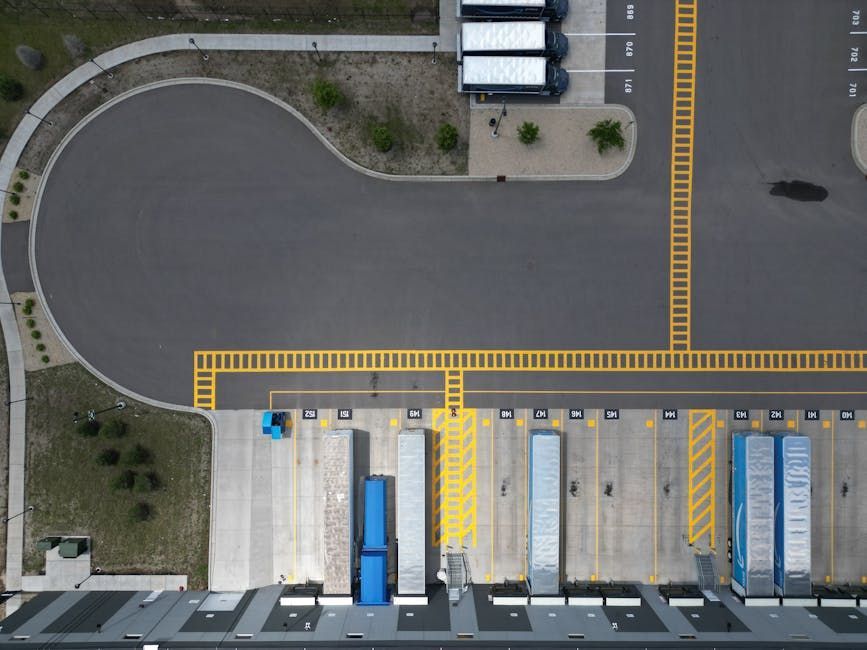
Aerial view of a truck loading dock with parked trailers, yellow lane markings, and a curved roadway.
By Dan McClain August 1, 2026
Not sure if 3PL services are right for your business? This guide explains what third-party logistics providers do and when it makes sense to partner with one in St. Louis.
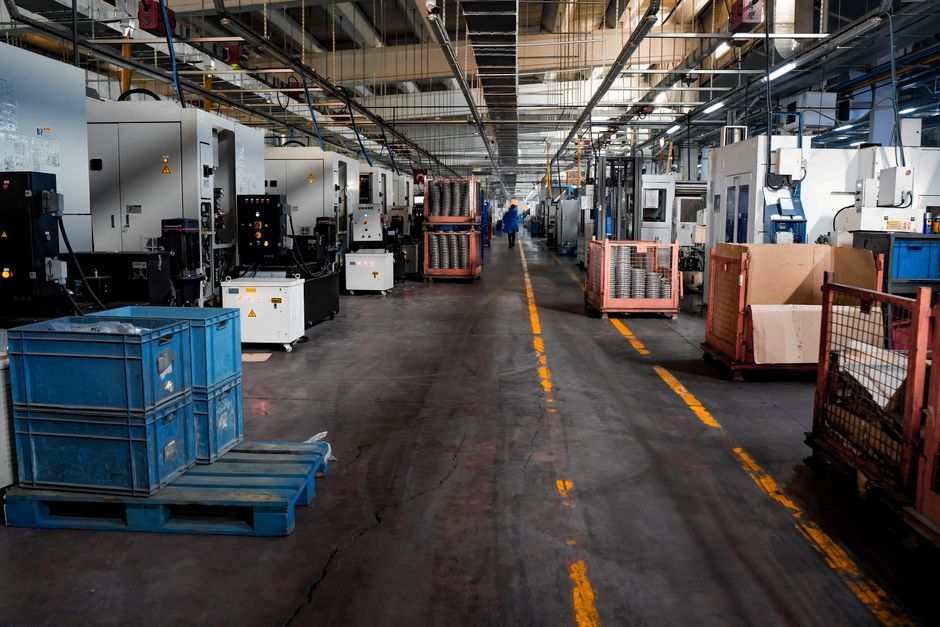
Industrial warehouse aisle with machinery, pallets, and blue bins along a marked concrete floor
By Dan McClain July 27, 2026
Should Midwest manufacturers manage logistics in-house or outsource to a 3PL? Here's an honest cost comparison — including the hidden expenses most operations teams miss.
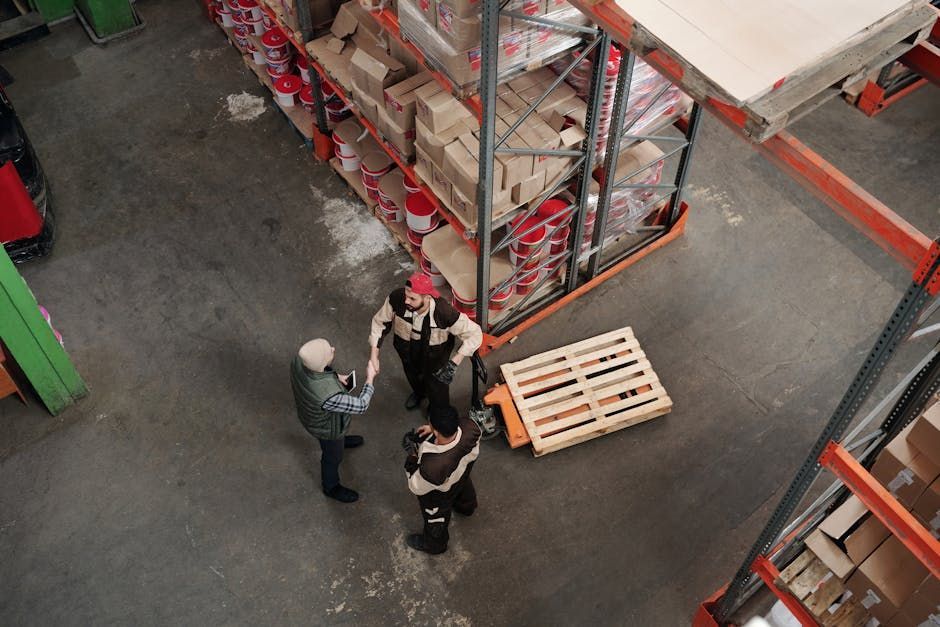
Three workers stand beside stacked pallets in a warehouse aisle, viewed from above.
By Dan McClain July 25, 2026
Comparing logistics services in St. Louis? Learn what separates a strong logistics partner from a generic vendor and how to find the right fit for your business.
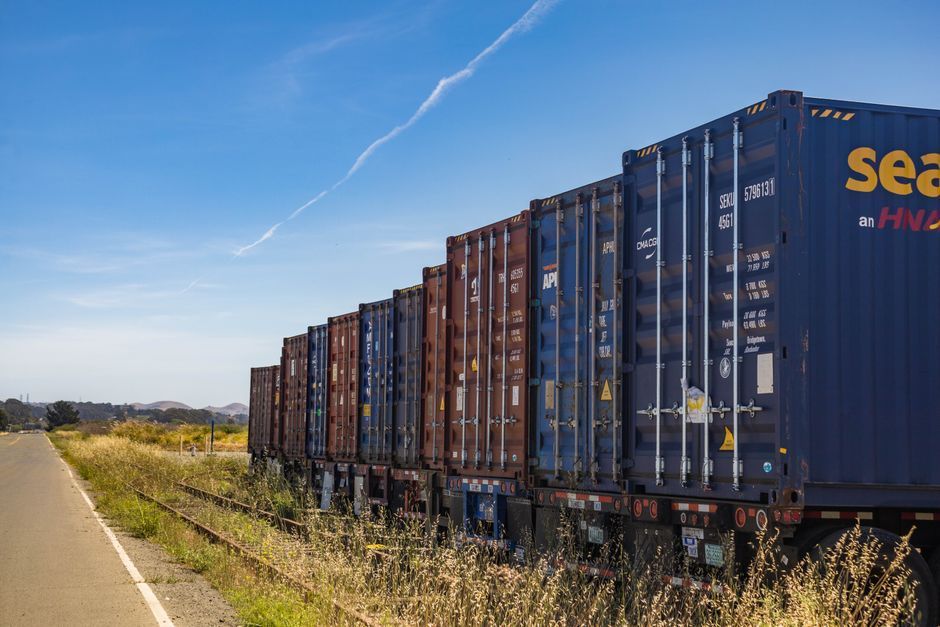
Long freight train of shipping containers beside a rural road under a blue sky
By Dan McClain July 20, 2026
Intermodal shipping through the Midwest rail network is one of the most underused cost-reduction tools in freight. Here's when it makes sense — and when it doesn't.

Export goods report with a blue bar chart on a white page
By Dan McClain July 18, 2026
Supply chain management explained for St. Louis businesses. Learn what SCM covers, why it matters, and how a local supply chain service can improve your operation.
Highway scene with a truck driving ahead on a sunny, tree-lined road
By Dan McClain July 13, 2026
The truckload vs. LTL decision isn't just about weight. Midwest shippers in St. Louis, Chicago, and Columbus are leaving money behind by defaulting to the wrong mode.
Two people reviewing notes and a laptop at a meeting table
By Dan McClain July 11, 2026
Evaluating 3PL services in the Midwest? Use this practical guide to compare providers, ask the right questions, and avoid common mistakes in logistics outsourcing.
Warehouse interior with tall metal racks, red beams, and stacked goods wrapped in plastic
By Dan McClain July 6, 2026
Midwest warehousing strategy can make or break your distribution costs. Here's how shippers in St. Louis, Kansas City, and Chicago are using 3PL storage to cut freight spend.
Show More