


What Is Supply Chain Management? A Guide for St. Louis Companies
Supply chain management is one of those terms that shows up in business conversations constantly — usually right after something has gone wrong. A supplier ships late. A warehouse runs out of a product that should have been replenished two weeks ago. A freight carrier doubles their rate on a lane that used to be routine.
Understanding what supply chain management actually covers — and what professional supply chain services can do for your St. Louis business — starts with getting past the jargon and looking at what the function actually involves.
What Is Supply Chain Management?
Supply chain management (SCM) is the coordinated oversight of everything involved in getting a product from its origin to the end customer. That includes sourcing raw materials, managing supplier relationships, overseeing production or procurement, warehousing finished goods, coordinating transportation, and handling last-mile delivery.
The "chain" in supply chain refers to the sequence of handoffs: supplier to manufacturer, manufacturer to warehouse, warehouse to distributor, distributor to end customer. Supply chain management is the discipline of making those handoffs happen reliably, efficiently, and at the right cost.
For many St. Louis businesses, supply chain management started as an informal function — someone in operations handling purchasing and shipping without a formal framework. As businesses grow, the complexity increases faster than informal management can keep up with. That's typically when the search for supply chain services begins.
The Five Core Functions of Supply Chain Management
Planning. Supply chain planning involves forecasting demand, determining inventory levels, and coordinating resources to meet that demand. Good planning prevents both stockouts and overstock situations that tie up capital in warehouse space.
Sourcing and procurement. Sourcing covers the identification, evaluation, and management of suppliers. It includes negotiating contracts, setting quality standards, and building supplier relationships that give you leverage when lead times extend or supply gets tight.
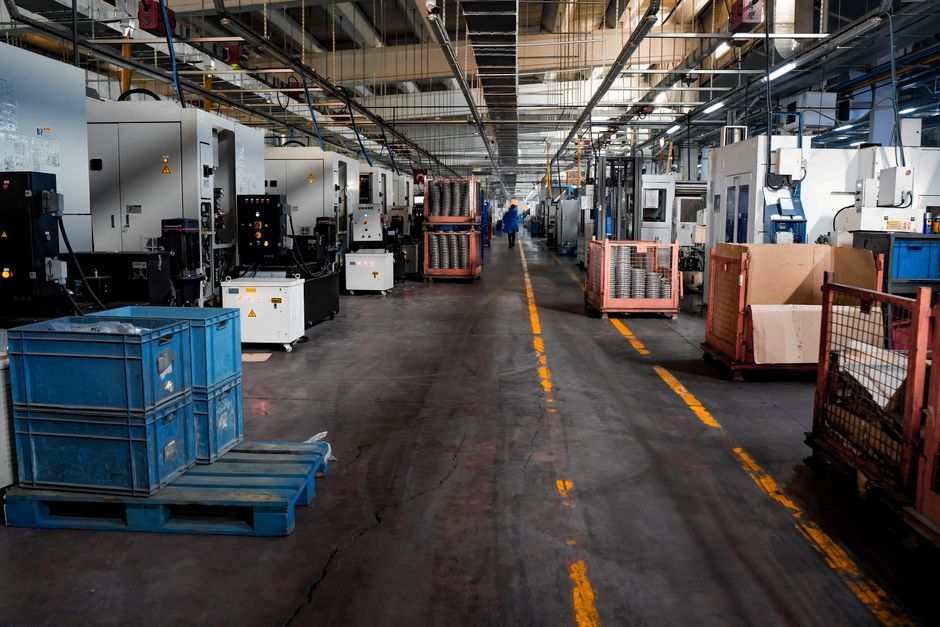
Operations and inventory management. For distribution companies, this function focuses on inventory management and order processing — keeping the right products available at the right time without over-investing in slow-moving stock.
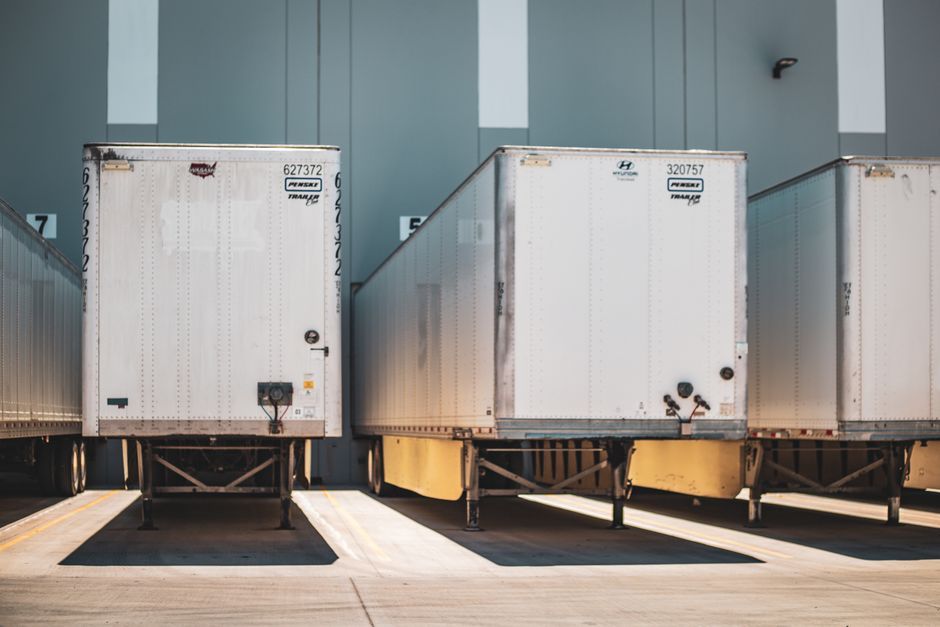
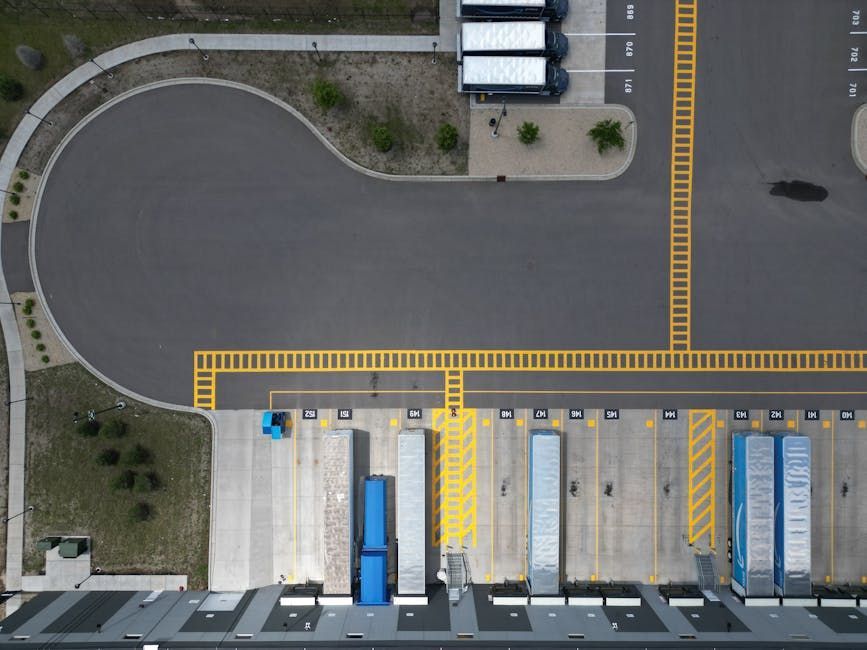
Logistics and transportation. This is the most visible piece of supply chain management: moving goods from where they are to where they need to be. It covers carrier selection, freight management, warehousing, and distribution. In St. Louis, with access to multiple freight modes — highway, rail, river, and air — this function has more options than in most markets.
Returns management. Reverse logistics — handling customer returns and end-of-life product — is often treated as an afterthought but represents meaningful cost for many businesses. Efficient returns management reduces processing time and recovers more product value.
Why Supply Chain Management Matters for St. Louis Businesses
The supply chain directly affects three things your customers experience: product availability, delivery speed, and cost — which passes through to your pricing. Businesses with well-managed supply chains can offer better service at lower cost. They hold less inventory because they have better visibility into demand. They pay less for freight because they have stronger carrier relationships. They lose fewer sales to stockouts and fewer margins to expediting.
St. Louis is a particularly good place to optimize supply chain operations, given the region's multimodal freight infrastructure. Businesses that invest in professional supply chain management services in this market can achieve cost structures that are difficult to replicate elsewhere.
What Professional Supply Chain Services Include
- Freight management — carrier selection, rate negotiation, booking, tracking, and audit
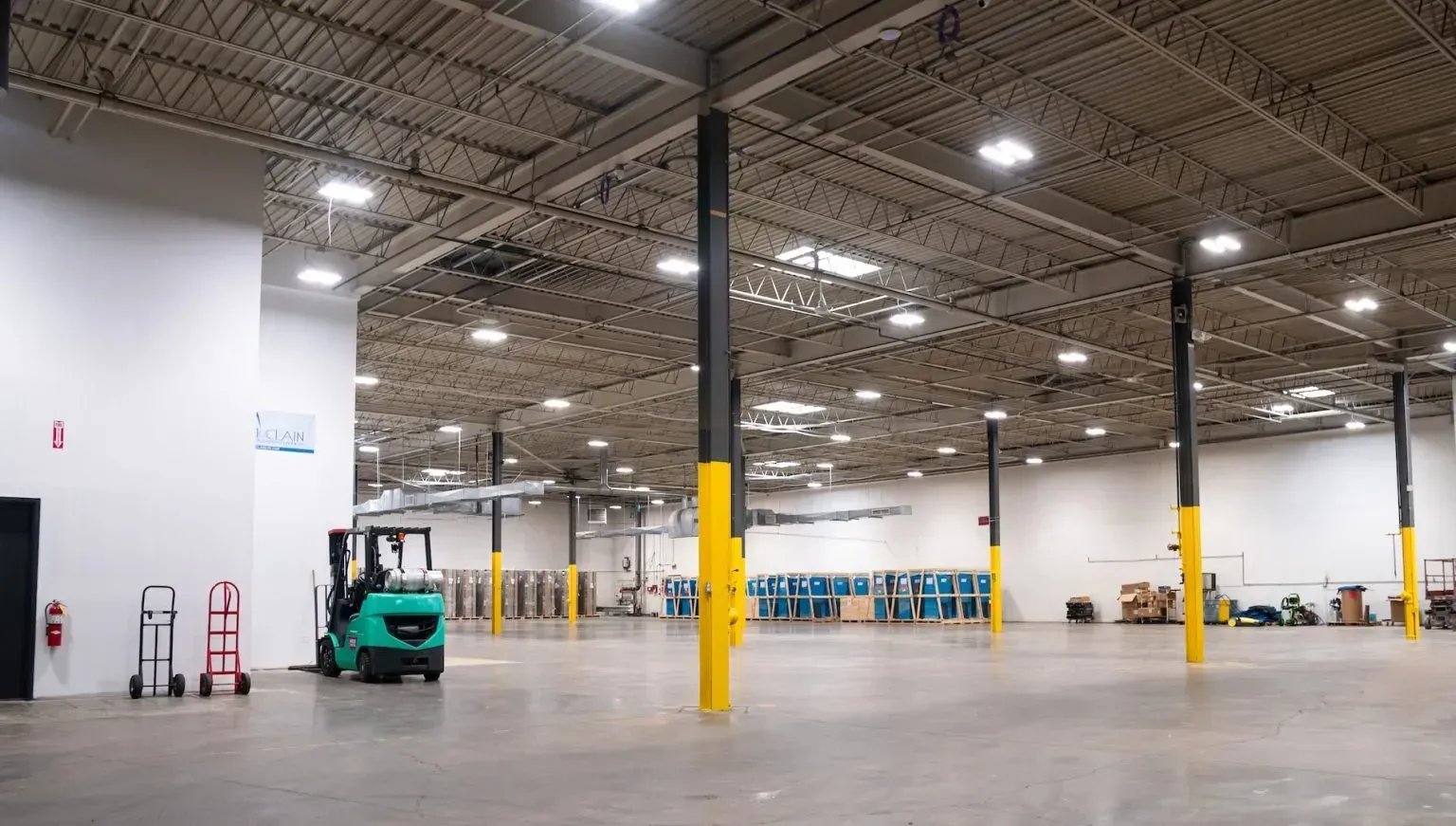
- Warehousing and distribution — storage, pick-and-pack, cross-docking, and inventory management
- Transportation brokerage — accessing competitive rates across a network of carriers
- Supply chain consulting — assessing your current operation and identifying improvement opportunities
- Technology integration — connecting your systems with warehouse and transportation management platforms
Frequently Asked Questions About Supply Chain Management
What is supply chain management in simple terms?
Supply chain management is the process of coordinating everything involved in getting a product from its origin to the end customer — including sourcing, production, warehousing, transportation, and delivery. The goal is to make that process as reliable, fast, and cost-efficient as possible.
What is the difference between supply chain management and logistics?
Logistics is one component of supply chain management. Logistics focuses specifically on the movement and storage of goods — transportation, warehousing, and distribution. Supply chain management is broader, also encompassing sourcing, procurement, demand planning, and supplier relationship management.
What supply chain services are available in St. Louis?
St. Louis-based supply chain services include freight management, warehousing and distribution, transportation brokerage, inventory management, 3PL services, and logistics consulting. McClain & Associates provides freight management and supply chain services throughout the greater St. Louis area and Midwest region.
How does supply chain management reduce costs?
SCM reduces costs through better carrier rate negotiation, inventory optimization, mode selection optimization, freight audit, and elimination of expediting costs from poor planning. The combined impact varies by business, but meaningful cost reduction is achievable in most supply chains that haven't been formally managed.
Supply Chain Services for St. Louis Businesses
McClain & Associates provides freight management, warehousing, and supply chain services to businesses throughout the greater St. Louis area. We work with companies that want a reliable, experienced partner — not just another vendor to manage.
If your supply chain is creating more problems than it should, contact us today . We'll take a look at your current situation and tell you honestly what we think is possible.
Scheduled publish date: Wednesday, June 24, 2026